159 North 3rd Street
Macclenny, Florida 32063

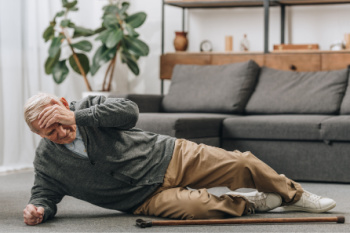
Exercise is an important way to reduce the risk of falling, particularly by focusing on activities that improve muscle strength, balance, posture, and stamina. Muscles naturally weaken and balance deteriorates without consistent exercise. By incorporating simple exercises into your daily routine, you can significantly increase stability and help prevent falls. Be sure to have a chair or counter nearby for safety reasons. Try standing on tiptoes, gradually transitioning to heel lifts and toe raises to improve ankle strength and balance. Side leg raises, performed by lifting one leg to the side while keeping toes forward, are excellent for strengthening hip abductors and improving lateral stability. Additionally, practicing walking in a straight line, progressing by placing one foot directly in front of the other to walking heel to toe along a counter. This can enhance overall balance and coordination. Sometimes, underlying foot or ankle issues contribute to instability. If balance issues have become a problem, it is suggested that you make an appointment with a podiatrist to address them.
Preventing falls among the elderly is very important. If you are older and have fallen or fear that you are prone to falling, consult with Dr. John L. Coleman from Florida. Our doctor will assess your condition and provide you with quality advice and care.
Every 11 seconds, an elderly American is being treated in an emergency room for a fall related injury. Falls are the leading cause of head and hip injuries for those 65 and older. Due to decreases in strength, balance, senses, and lack of awareness, elderly persons are very susceptible to falling. Thankfully, there are a number of things older persons can do to prevent falls.
How to Prevent Falls
Some effective methods that older persons can do to prevent falls include:
Falling can be a traumatic and embarrassing experience for elderly persons; this can make them less willing to leave the house, and less willing to talk to someone about their fears of falling. Doing such things, however, will increase the likelihood of tripping or losing one’s balance. Knowing the causes of falling and how to prevent them is the best way to mitigate the risk of serious injury.
If you have any questions, please feel free to contact our office located in Macclenny, FL . We offer the newest diagnostic and treatment technologies for all your foot care needs.
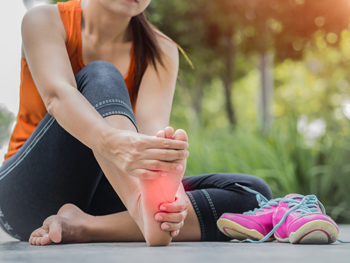
All runners are susceptible to a range of foot injuries stemming from the repetitive nature of running and other factors. Neglecting flexibility training can lead to decreased range of motion and increased risk of injuries such as strains and tears. Cross-training, incorporating activities like swimming or cycling, can mitigate these risks by engaging different muscle groups and reducing overuse injuries. Additionally, a balanced approach to fitness will help prevent foot injuries. Podiatrists play a significant role in this respect, offering expertise in foot and lower limb biomechanics, gait analysis, and injury prevention. They can guide proper footwear selection, orthotic devices, and personalized exercise regimens to address individual needs and reduce injury risk. If you are a runner, it is suggested that you make an appointment with a podiatrist to learn more about injury prevention in running so you can enjoy this port for the long term.
All runners should take extra precaution when trying to avoid injury. If you have any concerns about your feet, contact Dr. John L. Coleman of Florida. Our doctor will treat your foot and ankle needs.
How to Prevent Running Injuries
There are a lot of mistakes a runner can make prior to a workout that can induce injury. A lot of athletes tend to overstretch before running, instead of saving those workouts for a post-run routine. Deep lunges and hand-to-toe hamstring pulls should be performed after a workout instead of during a warmup. Another common mistake is jumping into an intense routine before your body is physically prepared for it. You should try to ease your way into long-distance running instead of forcing yourself to rush into it.
More Tips for Preventing Injury
If you have any questions, please feel free to contact our office located in Macclenny, FL . We offer the newest diagnostic and treatment technologies for all your foot care needs.
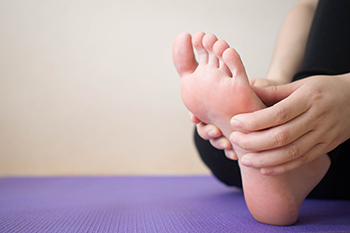
Experiencing pain on the outer edges of your feet? Lateral foot pain can make walking, running, or even standing uncomfortable. A common cause of lateral foot pain is stress fractures, especially in runners and other athletes. These hairline cracks in foot bones are caused by overuse or repetitive movements and can result in pain if pressure is applied to the foot. Cuboid syndrome, involving injury or dislocation of the cuboid bone along the outer edge of the foot, leads to sharp pain and tenderness, often worsened by overuse or tight shoes. Peroneal tendonitis, which is inflammation of tendons that run along the outer ankle, occurs from overuse or injury. Symptoms include pain, swelling, and warmth. A twisted ankle, or inversion sprain, results in ligament damage and subsequent pain, swelling, and tenderness, often triggered by sports or physical activities. Seeking prompt attention from a podiatrist is suggested for an accurate diagnosis and appropriate treatment options for lateral foot pain.
Foot Pain
Foot pain can be extremely painful and debilitating. If you have a foot pain, consult with Dr. John L. Coleman from Florida. Our doctor will assess your condition and provide you with quality foot and ankle treatment.
Causes
Foot pain is a very broad condition that could be caused by one or more ailments. The most common include:
Diagnosis
To figure out the cause of foot pain, podiatrists utilize several different methods. This can range from simple visual inspections and sensation tests to X-rays and MRI scans. Prior medical history, family medical history, and any recent physical traumatic events will all be taken into consideration for a proper diagnosis.
Treatment
Treatment depends upon the cause of the foot pain. Whether it is resting, staying off the foot, or having surgery; podiatrists have a number of treatment options available for foot pain.
If you have any questions, please feel free to contact our office located in Macclenny, FL . We offer the newest diagnostic and treatment technologies for all your foot care needs.

If you are suffering from tenderness, pain, or stiffness in the joints of your feet or ankles, call us to schedule an appointment.
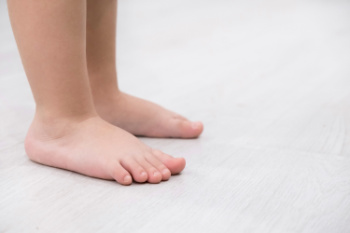 Flat feet in children are a common condition and can be a normal part of a child's development. The arch of a child’s foot may not fully develop until later in childhood, so flat feet often resolve on their own as the child grows. However, some cases of flat feet persist, which can cause an older child heel and arch pain. This can worsen during activities like playing sports and running. Flat feet can be associated with other conditions, such as tendon inflammation or joint problems. There are treatment options for flat feet that cause pain, and discomfort, and affect a child's ability to participate in physical activities. If your child has flat feet, it is suggested you make an appointment with a podiatrist who can address any potential issues and assess your child’s foot development.
Flatfoot is a condition many people suffer from. If you have flat feet, contact Dr. John L. Coleman from Florida. Our doctor will treat your foot and ankle needs.
What Are Flat Feet?
Flatfoot is a condition in which the arch of the foot is depressed and the sole of the foot is almost completely in contact with the ground. About 20-30% of the population generally has flat feet because their arches never formed during growth.
Conditions & Problems:
Having flat feet makes it difficult to run or walk because of the stress placed on the ankles.
Alignment – The general alignment of your legs can be disrupted, because the ankles move inward which can cause major discomfort.
Knees – If you have complications with your knees, flat feet can be a contributor to arthritis in that area.
Symptoms
Treatment
If you are experiencing pain and stress on the foot you may weaken the posterior tibial tendon, which runs around the inside of the ankle.
If you have any questions please feel free to contact our office located in Macclenny, FL . We offer the newest diagnostic and treatment technologies for all your foot and ankle needs.