
159 North 3rd Street
Macclenny, Florida 32063

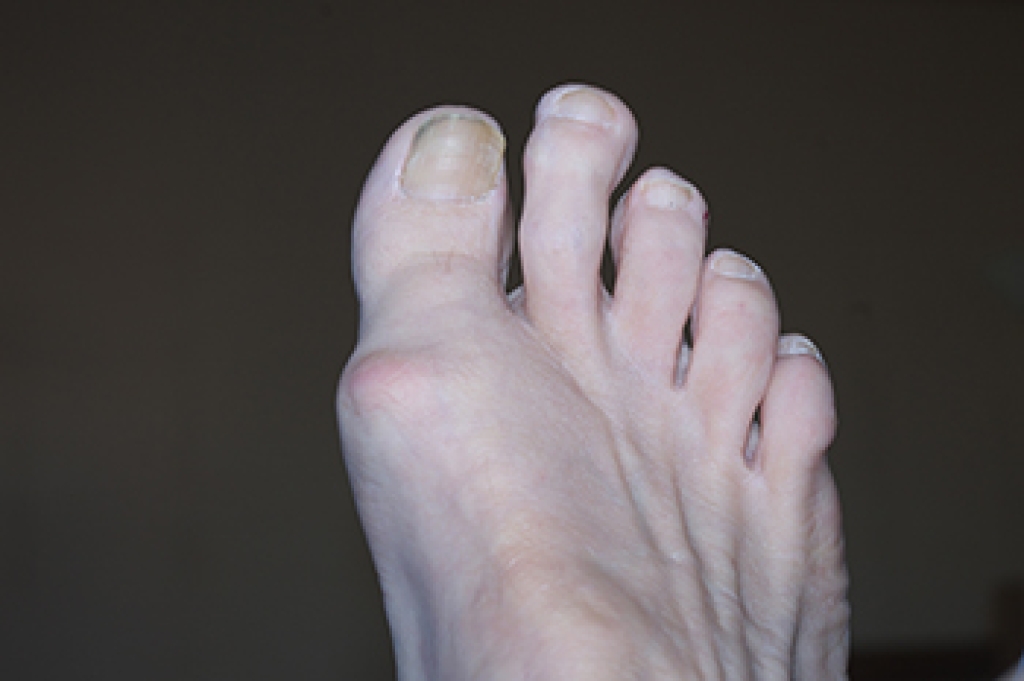
What Is Morton’s Toe?

Morton’s toe, also known as Greek foot, is a condition where the second toe is longer than the big toe. While it is often a benign anatomical variation, it can lead to discomfort and pain due to altered foot mechanics. Individuals with Morton’s toe may experience metatarsalgia, which is pain in the ball of the foot, as well as calluses, bunions, and discomfort while walking or standing. Treatment typically begins with conservative measures, such as wearing supportive footwear, using orthotic inserts, and practicing foot stretches. However, if pain persists or worsens, it is important to consult a podiatrist. This type of doctor may recommend more advanced treatments, including targeted exercises or, in severe cases, surgery to alleviate pain and correct alignment issues. If you suspect you have Morton’s toe and are experiencing discomfort, it is suggested you schedule an appointment with a podiatrist for a thorough assessment and tailored treatment options.

Morton’s neuroma is a very uncomfortable condition to live with. If you think you have Morton’s neuroma, contact Dr. John L. Coleman of Florida. Our doctor will attend to all of your foot care needs and answer any of your related questions.  

Morton’s Neuroma

Morton's neuroma is a painful foot condition that commonly affects the areas between the second and third or third and fourth toe, although other areas of the foot are also susceptible. Morton’s neuroma is caused by an inflamed nerve in the foot that is being squeezed and aggravated by surrounding bones.

What Increases the Chances of Having Morton’s Neuroma?

  • Ill-fitting high heels or shoes that add pressure to the toe or foot
  • Jogging, running or any sport that involves constant impact to the foot
  • Flat feet, bunions, and any other foot deformities

Morton’s neuroma is a very treatable condition. Orthotics and shoe inserts can often be used to alleviate the pain on the forefront of the feet. In more severe cases, corticosteroids can also be prescribed. In order to figure out the best treatment for your neuroma, it’s recommended to seek the care of a podiatrist who can diagnose your condition and provide different treatment options.

If you have any questions, please feel free to contact our office located in Macclenny, FL . We offer the newest diagnostic and treatment technologies for all your foot care needs.


Read more about What is Morton's Neuroma?

Recognizing the Symptoms of a Broken Foot

A broken foot can be both painful and debilitating. Common symptoms include intense pain that worsens with movement, swelling, bruising, and difficulty bearing weight on the affected foot. You might also notice deformity or an unusual angle of the foot. In some cases, there may be a visible break through the skin, indicating a more severe fracture. Treatment for a broken foot typically involves immobilization, often with a cast or splint, to allow the bones to heal properly, and mild pain relievers can help manage discomfort. In more severe fractures, surgery may be required to realign the bones and stabilize the foot with screws or plates. If you suspect you have a broken foot or experience persistent foot pain, it is suggested you schedule an appointment with a podiatrist. This type of doctor can provide an accurate diagnosis and a comprehensive treatment plan to ensure a smooth recovery.

A broken foot requires immediate medical attention and treatment. If you need your feet checked, contact Dr. John L. Coleman from Florida. Our doctor can provide the care you need to keep you pain-free and on your feet.

Broken Foot Causes, Symptoms, and Treatment

A broken foot is caused by one of the bones in the foot typically breaking when bended, crushed, or stretched beyond its natural capabilities. Usually the location of the fracture indicates how the break occurred, whether it was through an object, fall, or any other type of injury. 

Common Symptoms of Broken Feet:

  • Bruising
  • Pain
  • Redness
  • Swelling
  • Blue in color
  • Numbness
  • Cold
  • Misshapen
  • Cuts
  • Deformities

Those that suspect they have a broken foot shoot seek urgent medical attention where a medical professional could diagnose the severity.

Treatment for broken bones varies depending on the cause, severity and location. Some will require the use of splints, casts or crutches while others could even involve surgery to repair the broken bones. Personal care includes the use of ice and keeping the foot stabilized and elevated.

If you have any questions, please feel free to contact our office located in Macclenny, FL . We offer the newest diagnostic and treatment technologies for all your foot care needs.

Read more about Causes, Symptoms, and Treatment for a Broken Foot

Facts About Foot Drop

Foot drop is a medical condition characterized by difficulty lifting the front part of the foot, which can lead to various challenges in mobility. Individuals with foot drop may experience symptoms such as tripping frequently, a noticeable limp, and numbness in the affected foot. These symptoms can make walking cumbersome and may cause individuals to drag their toes or catch them on the ground, increasing the risk of falls. Additionally, those with foot drop may struggle to keep their shoes on securely, leading to discomfort and further mobility issues. This condition can result from various underlying causes, including nerve injuries, muscle disorders, or neurological conditions. Recognizing the symptoms of foot drop is essential, as early intervention can improve mobility and quality of life. If you notice symptoms of foot drop, it is strongly suggested that you consult a podiatrist who can help you to manage this condition.

Foot Pain

Foot pain can be extremely painful and debilitating. If you have a foot pain, consult with Dr. John L. Coleman from Florida. Our doctor will assess your condition and provide you with quality foot and ankle treatment.

Causes

Foot pain is a very broad condition that could be caused by one or more ailments. The most common include:

  • Bunions
  • Hammertoes
  • Plantar Fasciitis
  • Bone Spurs
  • Corns
  • Tarsal Tunnel Syndrome
  • Ingrown Toenails
  • Arthritis (such as Gout, Rheumatoid, and Osteoarthritis)
  • Flat Feet
  • Injury (from stress fractures, broken toe, foot, ankle, Achilles tendon ruptures, and sprains)
  • And more

Diagnosis

To figure out the cause of foot pain, podiatrists utilize several different methods. This can range from simple visual inspections and sensation tests to X-rays and MRI scans. Prior medical history, family medical history, and any recent physical traumatic events will all be taken into consideration for a proper diagnosis.

Treatment

Treatment depends upon the cause of the foot pain. Whether it is resting, staying off the foot, or having surgery; podiatrists have a number of treatment options available for foot pain.

If you have any questions, please feel free to contact our office located in Macclenny, FL . We offer the newest diagnostic and treatment technologies for all your foot care needs.

Read more about Foot Pain

Heel Pain Can Be Treated!

Do you suffer from heel pain when you get up in the morning? If so, you should seek professional help and have a proper diagnosis performed. Heel pain can be caused by several different foot-related conditions.

Connect With Us