159 North 3rd Street
Macclenny, Florida 32063

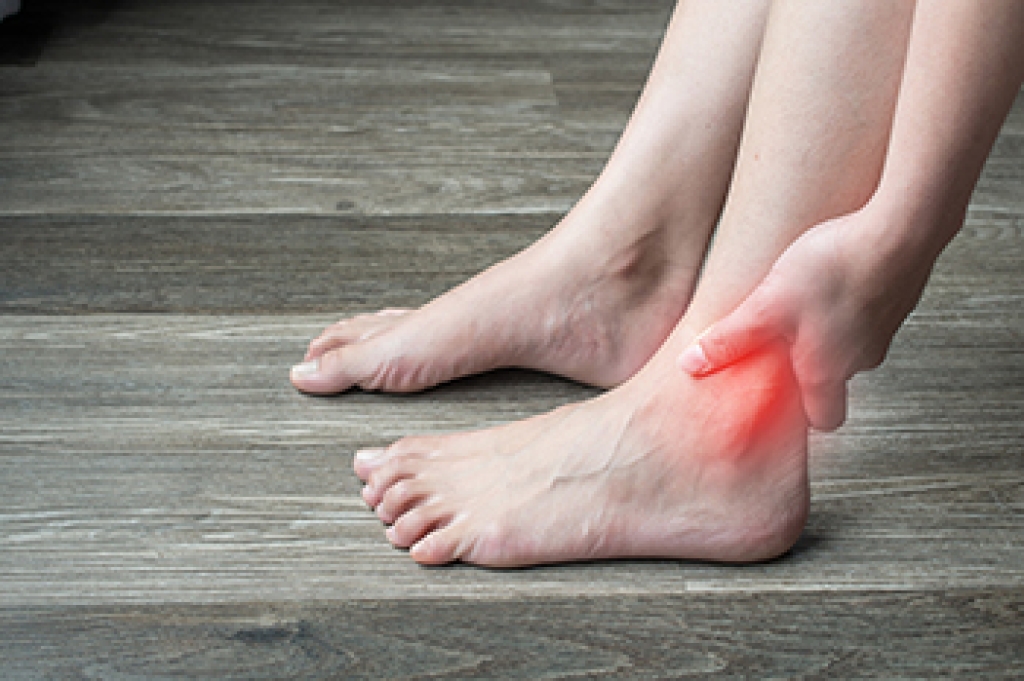
When to Call a Podiatrist for Ankle Pain

Ankle pain may be due to a sprain or strain, a blunt force injury, muscle weakness or chronic joint instability, nerve compression in the tarsal tunnel, arthritis, gout, tendonitis, a fracture, or another condition. If you are experiencing pain or inflammation in your ankle, you may try to rest the ankle, elevate it, ice it, and compress it. It is suggested that you call a podiatrist if your pain does not improve, you notice a visible deformity, your calf or ankle feels tender, hot or swollen, you cannot put weight on the affected foot, or if you are limping. Your podiatrist will be able to examine you and run tests, along with any necessary imaging in order to diagnose your condition properly. A treatment plan will be created based on their findings and the cause and severity of your ankle pain.

Ankle pain can have many different causes and the pain may potentially be serious. If you have ankle pain, consult with Dr. John L. Coleman from Florida. Our doctor will assess your condition and provide you with quality foot and ankle treatment.

Ankle pain is any condition that causes pain in the ankle. Due to the fact that the ankle consists of tendons, muscles, bones, and ligaments, ankle pain can come from a number of different conditions.

Causes

The most common causes of ankle pain include:

  • Types of arthritis (rheumatoid, osteoarthritis, and gout)
  • Ankle sprains
  • Broken ankles
  • Achilles tendinitis
  • Achilles tendon rupture
  • Stress fractures
  • Tarsal tunnel syndrome
  • Plantar fasciitis

Symptoms

Symptoms of ankle injury vary based upon the condition. Pain may include general pain and discomfort, swelling, aching, redness, bruising, burning or stabbing sensations, and/or loss of sensation.

Diagnosis

Due to the wide variety of potential causes of ankle pain, podiatrists will utilize a number of different methods to properly diagnose ankle pain. This can include asking for personal and family medical histories and of any recent injuries. Further diagnosis may include sensation tests, a physical examination, and potentially x-rays or other imaging tests.

Treatment

Just as the range of causes varies widely, so do treatments. Some more common treatments are rest, ice packs, keeping pressure off the foot, orthotics and braces, medication for inflammation and pain, and surgery.

If you have any questions please feel free to contact our office located in Macclenny, FL . We offer the newest diagnostic tools and technology to treat your foot and ankle needs.

Read more about Ankle Pain

Baby’s First Shoes and Walking

Many parents choose to have their babies wear shoes, despite the fact that research has indicated that shoes are unnecessary to wear until walking begins. At this time, the first shoes often consist of having a flexible and non-slip sole, in addition to fitting correctly. The shoe is ideal when it fits securely on the foot. This can be helpful in preventing stubbed toes, splinters, or broken toenails. There are certain foot conditions that children can develop that require the expertise of a podiatrist. If your child has ingrown toenails, walks on their toes, or doesn’t walk by 15 months, it is suggested that you schedule an appointment with a podiatrist.

The health of a child’s feet is vital to their overall well-being. If you have any questions regarding foot health, contact Dr. John L. Coleman of Florida. Our doctor can provide the care you need to keep you pain-free and on your feet.

Tips for Keeping Children's Feet Healthy

  • Make sure their shoes fit properly
  • Look for any signs of in-toeing or out-toeing
  • Check to see if they have Clubfoot (condition that affects your child’s foot and ankle, twisting the heel and toes inward) which is one of the most common nonmajor birth defects.
  • Lightly cover your baby’s feet (Tight covers may keep your baby from moving their feet freely, and could prevent normal development)
  • Allow your toddler to go shoeless (Shoes can be restricting for a young child’s foot)
  • Cut toenails straight across to avoid ingrown toenails
  • Keep your child’s foot clean and dry
  • Cover cuts and scrapes. Wash any scratches with soap and water and cover them with a bandage until they’ve healed.

If you have any questions, please feel free to contact our office located in Macclenny, FL . We offer the newest diagnostic and treatment technologies for all your foot care needs.

Read more about How to Care for Your Child's Feet

Why Are My Feet Tingling?

Peripheral neuropathy causes damage to the nerves outside of the spinal cord and brain, which can result in a host of symptoms, starting in the feet. You may have peripheral neuropathy if you feel tingling or pins and needles in your feet. You may also experience stabbing, shooting, or burning pain in your feet, which tends to be worse in the evening. Your feet may feel numb, weak, or “dead.” They may even be so sensitive that the bed sheets brushing against your feet causes pain. You may have difficulty sensing temperature in your feet, or you may get the sensation of wearing socks even if you are barefoot. In some cases, you may develop ulcers (open wounds) on your feet or legs. While there is no cure for nerve damage, you can help prevent the condition from worsening by keeping blood glucose levels in target range. A podiatrist can also help you keep your feet and legs as healthy as possible and help manage the pain and discomfort caused by peripheral neuropathy.

Peripheral artery disease can pose a serious risk to your health. It can increase the risk of stroke and heart attack. If you have symptoms of peripheral artery disease, consult with Dr. John L. Coleman from Florida. Our doctor will assess your condition and provide you with quality foot and ankle treatment.

Peripheral artery disease (PAD) is when arteries are constricted due to plaque (fatty deposits) build-up. This results in less blood flow to the legs and other extremities. The main cause of PAD is atherosclerosis, in which plaque builds up in the arteries.

Symptoms

Symptoms of PAD include:

  • Claudication (leg pain from walking)
  • Numbness in legs
  • Decrease in growth of leg hair and toenails
  • Paleness of the skin
  • Erectile dysfunction
  • Sores and wounds on legs and feet that won’t heal
  • Coldness in one leg

It is important to note that a majority of individuals never show any symptoms of PAD.

Diagnosis

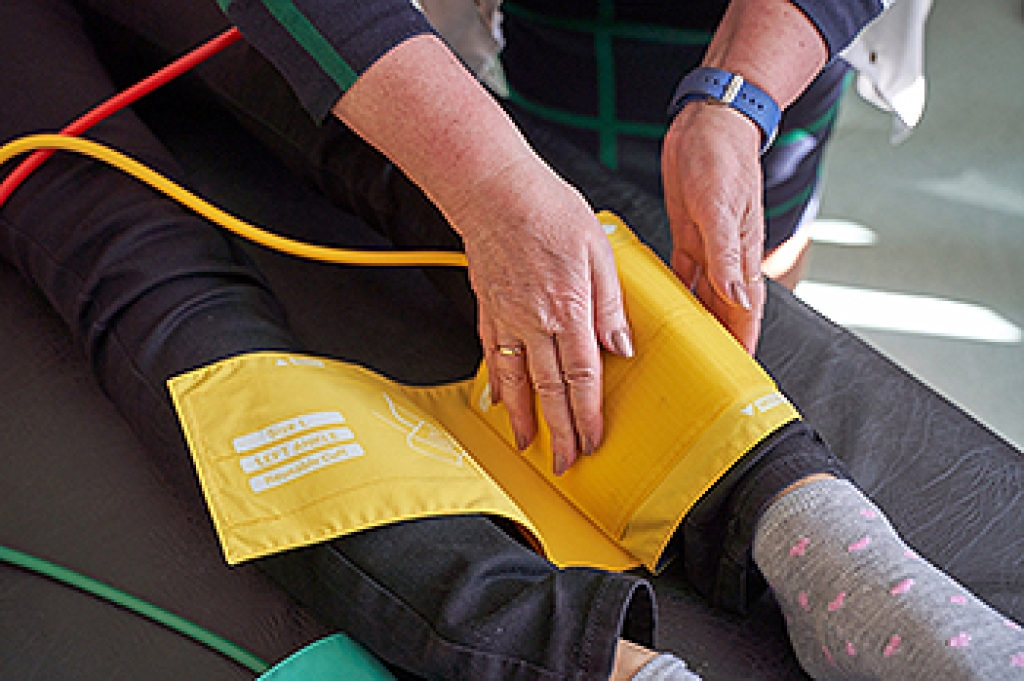
While PAD occurs in the legs and arteries, Podiatrists can diagnose PAD. Podiatrists utilize a test called an ankle-brachial index (ABI). An ABI test compares blood pressure in your arm to you ankle to see if any abnormality occurs. Ultrasound and imaging devices may also be used.

Treatment

Fortunately, lifestyle changes such as maintaining a healthy diet, exercising, managing cholesterol and blood sugar levels, and quitting smoking, can all treat PAD. Medications that prevent clots from occurring can be prescribed. Finally, in some cases, surgery may be recommended.

If you have any questions, please feel free to contact our office located in Macclenny, FL . We offer the newest diagnostic and treatment technologies for all your foot care needs.

Read more about Peripheral Artery Disease

Are Bunions Affecting Your Everyday Life?

Have you noticed a bony protrusion on the side of your big toe? If so, you may have developed the foot condition known as a bunion. Don't let bunions interfere with your daily activities.

Connect With Us