


Plantar warts are small growths that develop on parts of the feet that bear weight. They're typically found on the bottom of the foot. Don't live with plantar warts, and call us today!
Plantar warts are small growths that develop on parts of the feet that bear weight. They're typically found on the bottom of the foot. Don't live with plantar warts, and call us today!
 The most noticeable symptoms of the medical condition that is known as plantar fasciitis are heel pain and severe discomfort. The plantar fascia is located on the bottom of the foot, and it connects the heel to the toes. If this becomes injured, it may become inflamed, and plantar fasciitis may develop. This condition can be caused by high arches, an injury that has happened to the foot, or participating in certain sporting activities. Relief can be felt when orthotics are worn, and this may be beneficial in reducing existing strain to the plantar fascia. Some patients find it helpful to perform frequent stretching techniques, and this may also aid in strengthening the affected areas of the foot. If you have heel pain, please consult with a podiatrist who can begin the correct treatment options for you.
Plantar fasciitis can be very painful and inconvenient. If you are experiencing heel pain or symptoms of plantar fasciitis, contact Dr. John L. Coleman from Florida. Our doctor can provide the care you need to keep you pain-free and on your feet.
What Is Plantar Fasciitis?
Plantar fasciitis is the inflammation of the thick band of tissue that runs along the bottom of your foot, known as the plantar fascia, and causes mild to severe heel pain.
What Causes Plantar Fasciitis?
How Can It Be Treated?
While very treatable, plantar fasciitis is definitely not something that should be ignored. Especially in severe cases, speaking to your doctor right away is highly recommended to avoid complications and severe heel pain. Your podiatrist can work with you to provide the appropriate treatment options tailored to your condition.
If you have any questions, please feel free to contact our office located in Macclenny, FL . We offer the newest diagnostic and treatment technologies for all your foot care needs.
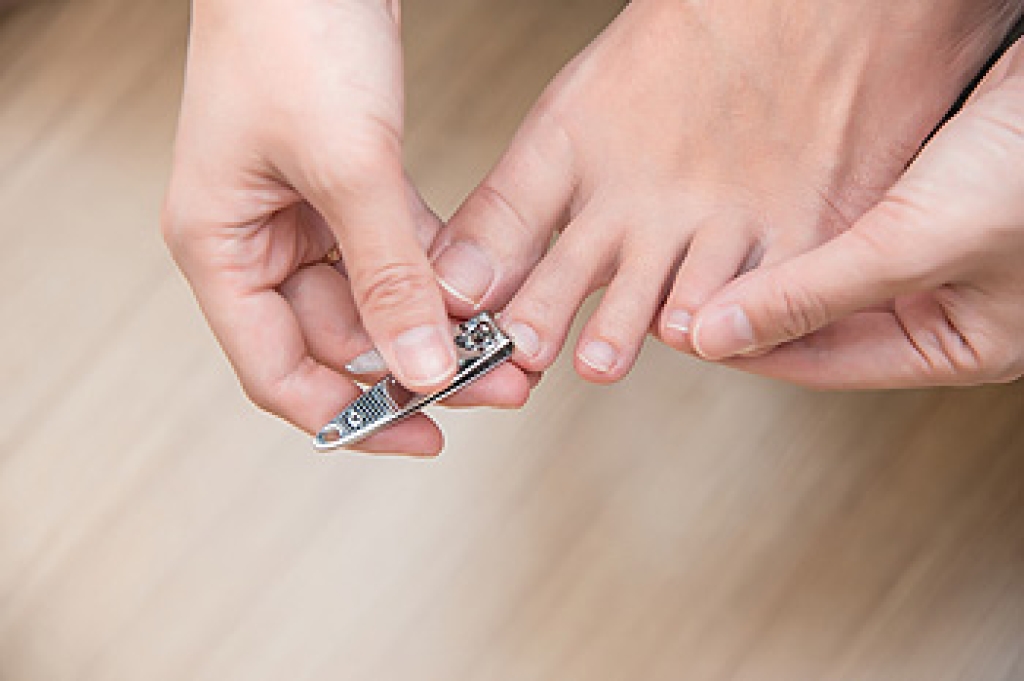 When the feet are properly cared for on a daily basis, certain foot conditions may be prevented from occurring. Athlete’s foot may be avoided when the feet are washed and thoroughly dried daily, especially between the toes. When a good moisturizer is applied, it may help to prevent cracked heels from developing. The importance of trimming the toenails properly is necessary in possibly preventing the painful condition known as ingrown toenails. Additionally, the feet will feel more comfortable when the correct size shoe is worn, and this can be accomplished if shoes are tried on in the afternoon when the feet are their largest. If you would like additional information about how to maintain proper foot care, it is advised to seek the counsel of a podiatrist.
Everyday foot care is very important to prevent infection and other foot ailments. If you need your feet checked, contact Dr. John L. Coleman from Florida. Our doctor can provide the care you need to keep you pain-free and on your feet.
Everyday Foot Care
Often, people take care of their bodies, face and hair more so than they do for their feet. But the feet are a very important aspect of our bodies, and one that we should pay more attention to. Without our feet, we would not be able to perform most daily tasks.
It is best to check your feet regularly to make sure there are no new bruises or cuts that you may not have noticed before. For dry feet, moisturizer can easily be a remedy and can be applied as often as necessary to the affected areas. Wearing shoes that fit well can also help you maintain good foot health, as well as making it easier to walk and do daily activities without the stress or pain of ill-fitting shoes, high heels, or even flip flops. Wearing clean socks with closed shoes is important to ensure that sweat and bacteria do not accumulate within the shoe. Clean socks help to prevent Athlete’s foot, fungi problems, bad odors, and can absorb sweat.
If you have any questions, please feel free to contact our office located in Macclenny, FL . We offer the newest diagnostic and treatment technologies for all your foot care needs.
 The first symptom many people experience if they have broken their toe is severe pain and discomfort. Other noticeable signs can include swelling, bruising on or around the affected toe, and difficulty walking. In severe fractures, patients may hear a popping sound as the break occurs. Common reasons for this type of injury to happen can include stepping unexpectedly off of a curb, hitting it against a piece of furniture, or it may gradually develop as a result of a stress fracture. Effective treatment options can include taping the affected toe to the toe next to it, which is referred to as buddy taping. This can be helpful in providing the necessary stability as the healing process occurs. Mild relief may be found when the foot is elevated, and this can be beneficial in reducing existing swelling. If you have broken your toe, it is suggested that you consult with a podiatrist who can suggest the proper treatment for you.
A broken toe can be very painful and lead to complications if not properly fixed. If you have any concerns about your feet, contact Dr. John L. Coleman from Florida. Our doctor will treat your foot and ankle needs.
What to Know About a Broken Toe
Although most people try to avoid foot trauma such as banging, stubbing, or dropping heavy objects on their feet, the unfortunate fact is that it is a common occurrence. Given the fact that toes are positioned in front of the feet, they typically sustain the brunt of such trauma. When trauma occurs to a toe, the result can be a painful break (fracture).
Symptoms of a Broken Toe
Generally, it is best to stay off of the injured toe with the affected foot elevated.
Severe toe fractures may be treated with a splint, cast, and in some cases, minor surgery. Due to its position and the pressure it endures with daily activity, future complications can occur if the big toe is not properly treated.
If you have any questions, please feel free to contact our office located in Macclenny, FL . We offer the newest diagnostic and treatment technologies for all your foot care needs.
When a toenail is i ngrown, it becomes curved and grows into the skin, usually on the sides of the nail. The digging of the nail into the soft flesh of the toe irritates the skin, often creating pain, redness, and swelling. Many times an ingrown toenail can break the skin, allowing bacteria to enter and create an infection. Causes of ingrown toenails include heredity factors, improper trimming, physical trauma to the toe, and nail conditions such as fungal infections. In order to prevent ingrown toenails, it is suggested to properly trim the nail, straight across and not too short, and also to wear proper fitting shoes and socks. If you have pain in your toe or believe you have an ingrown toenail, it is suggested that you consult with a local podiatrist.
Ingrown toenails can become painful if they are not treated properly. For more information about ingrown toenails, contact Dr. John L. Coleman of Florida. Our doctor can provide the care you need to keep you pain-free and on your feet.
Ingrown Toenails
Ingrown toenails occur when a toenail grows sideways into the bed of the nail, causing pain, swelling, and possibly infection.
Causes
Prevention
Wearing proper fitting shoes and using proper cutting techniques will also help decrease your risk of developing ingrown toenails.
Treatment
Ingrown toenails are a very treatable foot condition. In minor cases, soaking the affected area in salt or antibacterial soaps will not only help with the ingrown nail itself, but also help prevent any infections from occurring. In more severe cases, surgery is an option. In either case, speaking to your podiatrist about this condition will help you get a better understanding of specific treatment options that are right for you.
If you have any questions, please feel free to contact our office located in Macclenny, FL . We offer the newest diagnostic and treatment technologies for all your foot care needs.