
159 North 3rd Street
Macclenny, Florida 32063

Different Types of Athlete’s Foot

People who have had athlete's foot are aware of the discomfort it can cause. The skin often becomes dry, red, and can itch too. It is considered to be a fungal infection and typically affects the soles of the feet and between the toes. It is a contagious infection and appropriate shoes are suggested to be worn while in public swimming areas, locker rooms, and shower room floors. This fungus lives in warm and moist environments including socks and shoes that are wet. There are three types of athlete's foot. A toe web infection can cause the skin to peel and crack between the third and fourth toes. Cracked skin on the heel can be referred to as a moccasin-type infection, and a blister on the sole of the foot is known as a vesicular type of infection. There are effective prevention techniques for athlete’s foot including keeping the feet clean and dry, refraining from sharing towels or shoes, and alternating the shoes worn daily. If you have been affected by athlete's foot, please consult with a podiatrist who can determine what the best type of treatment is for you.

Athlete’s Foot

Athlete’s foot is often an uncomfortable condition to experience. Thankfully, podiatrists specialize in treating athlete’s foot and offer the best treatment options. If you have any questions about athlete’s foot, consult with Dr. John L. Coleman from Florida. Our doctor will assess your condition and provide you with quality treatment.

What Is Athlete’s Foot?

Tinea pedis, more commonly known as athlete’s foot, is a non-serious and common fungal infection of the foot. Athlete’s foot is contagious and can be contracted by touching someone who has it or infected surfaces. The most common places contaminated by it are public showers, locker rooms, and swimming pools. Once contracted, it grows on feet that are left inside moist, dark, and warm shoes and socks.

Prevention

The most effective ways to prevent athlete’s foot include:

  • Thoroughly washing and drying feet
  • Avoid going barefoot in locker rooms and public showers
  • Using shower shoes in public showers
  • Wearing socks that allow the feet to breathe
  • Changing socks and shoes frequently if you sweat a lot

Symptoms

Athlete’s foot initially occurs as a rash between the toes. However, if left undiagnosed, it can spread to the sides and bottom of the feet, toenails, and if touched by hand, the hands themselves. Symptoms include:

  • Redness
  • Burning
  • Itching
  • Scaly and peeling skin

Diagnosis and Treatment

Diagnosis is quick and easy. Skin samples will be taken and either viewed under a microscope or sent to a lab for testing. Sometimes, a podiatrist can diagnose it based on simply looking at it. Once confirmed, treatment options include oral and topical antifungal medications.

If you have any questions, please feel free to contact our office located in Macclenny, FL . We offer the newest diagnostic and treatment technologies for all your foot care needs.

Read more about Athlete’s Foot

Wearing Orthotics May Help Heel Spurs

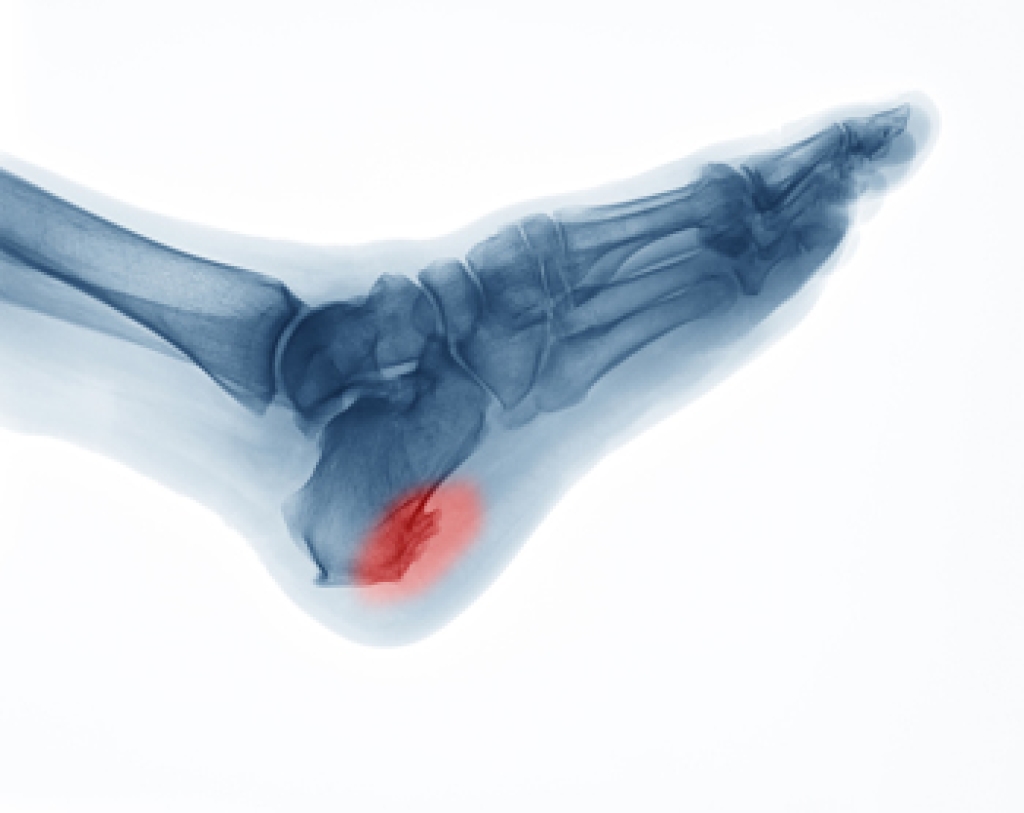
A bony growth that forms on the back of the heel bone is known as a heel spur. It can gradually produce severe pain and discomfort, and it may become difficult to walk. A heel spur can develop for several reasons, including wearing shoes that do not fit correctly, exercising on hard surfaces, or standing for long periods. A common symptom that many people experience is a sharp pain in the bottom of the heel, and this may diminish while walking. After a proper diagnosis is performed, correct treatment can begin. It may be beneficial to practice specific stretches that can help to ease the pain of a heel spur. An effective stretch consists of standing on a step and lowering the heel until a gentle pull is felt. Some patients find it can help to wear custom-made orthotics that can control the excess motion that affects the bottom of the foot. Additionally, orthotics can help take the pressure off of a heel spur. If you are affected by this painful foot condition, please consult with a podiatrist who can determine what the best form of treatment is for you.

Heel spurs can be incredibly painful and sometimes may make you unable to participate in physical activities. To get medical care for your heel spurs, contact Dr. John L. Coleman from Florida. Our doctor will do everything possible to treat your condition.

Heels Spurs

Heel spurs are formed by calcium deposits on the back of the foot where the heel is. This can also be caused by small fragments of bone breaking off one section of the foot, attaching onto the back of the foot. Heel spurs can also be bone growth on the back of the foot and may grow in the direction of the arch of the foot.

Older individuals usually suffer from heel spurs and pain sometimes intensifies with age. One of the main condition's spurs are related to is plantar fasciitis.

Pain

The pain associated with spurs is often because of weight placed on the feet. When someone is walking, their entire weight is concentrated on the feet. Bone spurs then have the tendency to affect other bones and tissues around the foot. As the pain continues, the feet will become tender and sensitive over time.

Treatments

There are many ways to treat heel spurs. If one is suffering from heel spurs in conjunction with pain, there are several methods for healing. Medication, surgery, and herbal care are some options.

If you have any questions, please feel free to contact our office located in Macclenny, FL . We offer the newest diagnostic and treatment technologies for all your foot care needs.

Read more about Heel Spurs

Plantar Warts Can Be Treated!

Plantar warts are small growths that develop on parts of the feet that bear weight. They're typically found on the bottom of the foot. Don't live with plantar warts, and call us today!

Connect With Us