
159 North 3rd Street
Macclenny, Florida 32063

What to Know Before and After Minimally Invasive Foot and Ankle Surgery

Minimally invasive foot and ankle surgery offers smaller incisions, less tissue disruption, and often faster recovery, but it still requires careful planning. Before surgery, imaging, physical evaluation, and a clear understanding of goals help ensure the approach fits the patient’s condition. Certain medication may need to be adjusted, and underlying health issues such as diabetes or circulation problems must be considered to lower risks. On the day of the procedure, patients typically experience shorter operating times and less postoperative discomfort compared to traditional surgery. After surgery, early movement, wound care, and following instructions closely all support proper healing. Recovery is usually quicker, but outcomes still depend on proper support and follow-up. If you are considering surgery for a foot or ankle problem, it is suggested that you schedule an appointment with a podiatrist to discuss right option for right for you.

Foot surgery is sometimes necessary to treat a foot ailment. To learn more, contact Dr. John L. Coleman of Florida. Our doctor will assist you with all of your foot and ankle needs.

When Is Surgery Necessary?

Foot and ankle surgery is generally reserved for cases in which less invasive, conservative procedures have failed to alleviate the problem. Some of the cases in which surgery may be necessary include:

  • Removing foot deformities like bunions and bone spurs
  • Severe arthritis that has caused bone issues
  • Cosmetic reconstruction

What Types of Surgery Are There?

The type of surgery you receive will depend on the nature of the problem you have. Some of the possible surgeries include:

  • Bunionectomy for painful bunions
  • Surgical fusion for realignment of bones
  • Neuropathy decompression surgery to treat nerve damage

Benefits of Surgery

Although surgery is usually a last resort, it can provide more complete pain relief compared to non-surgical methods and may allow you to finally resume full activity.

Surgical techniques have also become increasingly sophisticated. Techniques like endoscopic surgery allow for smaller incisions and faster recovery times.

If you have any questions, please feel free to contact our office located in Macclenny, FL . We offer the newest diagnostic and treatment technologies for all your foot care needs.

Read more about Foot and Ankle Surgery

Top of the Foot Pain

Pain on the top of the foot can be more than just a nuisance, it can signal an underlying issue that needs attention. Several conditions could be to blame, such as tendonitis, stress fractures, or arthritis. Tendonitis occurs when the foot’s tendons become inflamed due to overuse or wearing poorly fitted shoes. Stress fractures, which are tiny cracks in the bones, often develop from repetitive impact and cause discomfort, especially during physical activity. Osteoarthritis can lead to bone spurs forming in the joints, making movement painful. To pinpoint the cause, a podiatrist will take a thorough medical history and perform a physical exam, paying attention to whether the pain is sharp, dull, or worsens with certain movements. Imaging tests like X-rays or MRI scans may be ordered for further clarity. If you are experiencing discomfort on the top of your foot, it is suggested that you schedule an appointment with a podiatrist for a proper diagnosis and appropriate treatment.

Foot Pain

Foot pain can be extremely painful and debilitating. If you have a foot pain, consult with Dr. John L. Coleman from Florida. Our doctor will assess your condition and provide you with quality foot and ankle treatment.

Causes

Foot pain is a very broad condition that could be caused by one or more ailments. The most common include:

  • Bunions
  • Hammertoes
  • Plantar Fasciitis
  • Bone Spurs
  • Corns
  • Tarsal Tunnel Syndrome
  • Ingrown Toenails
  • Arthritis (such as Gout, Rheumatoid, and Osteoarthritis)
  • Flat Feet
  • Injury (from stress fractures, broken toe, foot, ankle, Achilles tendon ruptures, and sprains)
  • And more

Diagnosis

To figure out the cause of foot pain, podiatrists utilize several different methods. This can range from simple visual inspections and sensation tests to X-rays and MRI scans. Prior medical history, family medical history, and any recent physical traumatic events will all be taken into consideration for a proper diagnosis.

Treatment

Treatment depends upon the cause of the foot pain. Whether it is resting, staying off the foot, or having surgery; podiatrists have a number of treatment options available for foot pain.

If you have any questions, please feel free to contact our office located in Macclenny, FL . We offer the newest diagnostic and treatment technologies for all your foot care needs.
Read more about Foot Pain

Do Your Child's Feet Hurt?

Have your child's feet been examined lately? Healthy feet are happy feet. If your child is complaining of foot pain, it may be a sign of underlying problems.

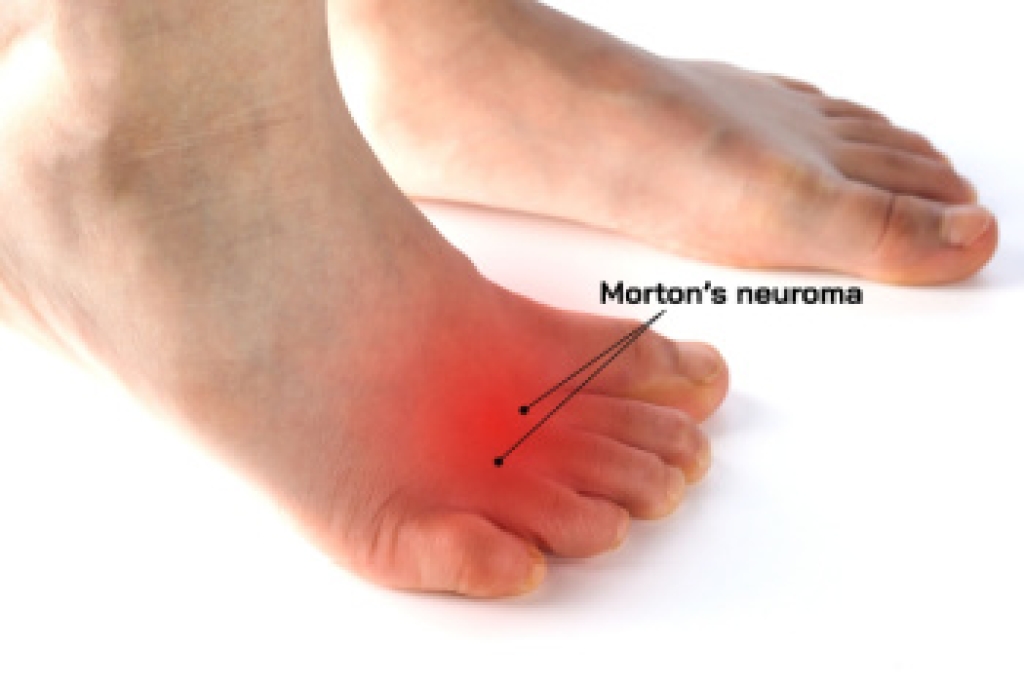
Symptoms That May Point to Morton’s Neuroma

Morton’s neuroma affects the nerve between the toes, most often between the third and fourth toes. It usually develops from repeated pressure or irritation, leading to thickening of the nerve tissue. People with this condition often describe a burning or tingling sensation in the ball of the foot, sometimes with numbness in the toes. Many say it feels like a pebble is stuck in their shoe or that their sock is bunched up. The pain may come and go, becoming worse with wearing tight shoes or long periods of walking. In early stages, removing the pressure may help, but in more advanced cases, help from a podiatrist is often needed. If you have persistent forefoot pain or unusual sensations between your toes, it is suggested that you see a podiatrist for a proper diagnosis and appropriate treatment.

Morton’s neuroma is a very uncomfortable condition to live with. If you think you have Morton’s neuroma, contact Dr. John L. Coleman of Florida. Our doctor will attend to all of your foot care needs and answer any of your related questions.  

Morton’s Neuroma

Morton's neuroma is a painful foot condition that commonly affects the areas between the second and third or third and fourth toe, although other areas of the foot are also susceptible. Morton’s neuroma is caused by an inflamed nerve in the foot that is being squeezed and aggravated by surrounding bones.

What Increases the Chances of Having Morton’s Neuroma?

  • Ill-fitting high heels or shoes that add pressure to the toe or foot
  • Jogging, running or any sport that involves constant impact to the foot
  • Flat feet, bunions, and any other foot deformities

Morton’s neuroma is a very treatable condition. Orthotics and shoe inserts can often be used to alleviate the pain on the forefront of the feet. In more severe cases, corticosteroids can also be prescribed. In order to figure out the best treatment for your neuroma, it’s recommended to seek the care of a podiatrist who can diagnose your condition and provide different treatment options.

If you have any questions, please feel free to contact our office located in Macclenny, FL . We offer the newest diagnostic and treatment technologies for all your foot care needs.

Read more about Morton's Neuroma
Connect With Us