
159 North 3rd Street
Macclenny, Florida 32063

The Three Grades of Ankle Sprains

When the ligaments that connect the bones to each other become overstretched or torn, a sprain can occur. When it comes to ankle sprains, they can be diagnosed as one of 3 different categories. When the ligament is only mildly stretched, this is known as a Grade 1 sprain. Once the ligament is even slightly torn, it is considered a Grade 2 sprain. A Grade 3 ankle sprain can occur when the ligament is completely torn. Common signs of a sprained ankle may include pain, tenderness, bruising, stiffness, and an inability to bear weight. Because the symptoms of a sprain are often similar to that of a fracture, patients who believe that they have sprained their ankle should consult with a podiatrist in order to make sure they do not have any broken bones. A podiatrist will be able to assess the severity of the injury and provide a proper treatment option. 

Ankle sprains are common but need immediate attention. If you need your feet checked, contact Dr. John L. Coleman from Florida. Our doctor can provide the care you need to keep you pain-free and on your feet.

How Does an Ankle Sprain Occur?

Ankle sprains take place when the ligaments in your ankle are torn or stretched beyond their limits. There are multiple ways that the ankle can become injured, including twisting or rolling over onto your ankle, putting undue stress on it, or causing trauma to the ankle itself.

What Are the Symptoms?

  • Mild to moderate bruising
  • Limited mobility
  • Swelling
  • Discoloration of the skin (depending on severity)

Preventing a Sprain

  • Wearing appropriate shoes for the occasion
  • Stretching before exercises and sports
  • Knowing your limits

Treatment of a Sprain

Treatment of a sprain depends on the severity.  Many times, people are told to rest and remain off their feet completely, while others are given an air cast. If the sprain is very severe, surgery may be required.

If you have suffered an ankle sprain previously, you may want to consider additional support such as a brace and regular exercises to strengthen the ankle.

If you have any questions please feel free to contact our office located in Macclenny, FL . We offer the newest diagnostic tools and technology to treat your foot and ankle needs.
Read more about Ankle Sprains

How Older Adults Can Promote Foot and Ankle Health

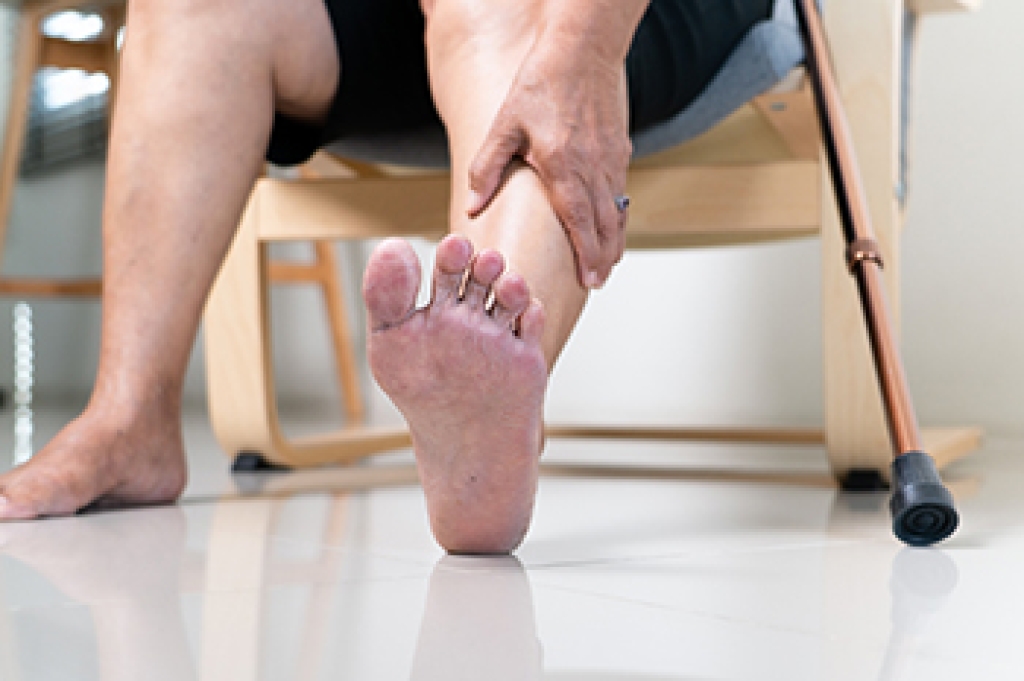
With age comes drier skin, brittle nails, decreased cushioning on bones, and even poor circulation. All of these factors can make foot and ankle health challenging. That is why it is important for older adults to be proactive about their foot and ankle health and help avoid problems from occurring. The best thing an older adult can do for their feet is to wear well-made, comfortable shoes that fit properly and offer adequate cushioning and support. Avoid wearing socks that are tight and can cut off circulation. Measure your feet when buying new shoes, because feet can widen with age. Try not  to sit for too long without elevating your feet or doing gentle foot and ankle stretches to keep the blood flowing. Trim toenails straight across, but not too short, to avoid them becoming ingrown. Maintain a healthy weight prevent many painful foot conditions. Older adults with diabetes should avoid going barefoot, be sure to examine their feet every day, and check for developing wounds. Finally, older adults—and particularly those with diabetes—should make seeing a podiatrist regularly part of their foot and ankle health regimen.

If you need your feet checked, contact Dr. John L. Coleman of Florida. Our doctor will attend to all of your foot and ankle needs and provide you with quality treatment.

Geriatrics and Podiatry
When people age, some common issues that may occur are bone density loss, dry skin, poor circulation, and rough brittle nails. These issues may also affect your foot health if the necessary steps are not taken to alleviate the problems.

It is important to take care of your feet because feet that are injured or diseased can affect your overall health. Having painful feet hinders your ability to do daily activities or may decrease your willingness to do the things that you need to do.

Visiting Your Geriatrician
As we age, health problems become more likely, so it is essential to visit your doctor for check-ups to ensure that you are doing the best you can to take care of your health. It is recommended to check your feet frequently for any possible cuts, bruises, swelling, corns or any other irregularities. 

Taking Care of Elderly Feet
Cracked or dry feet can be treated by applying moisturizer often. It is also important not to wear old socks because the older the sock is, the higher the possibility there will be that there is bacteria there. Wear fresh socks and make sure they fit properly.

Proper foot health means that you can have a more active lifestyle and you will not be bogged down by pain. Foot health also leads to good circulation, which is paramount for overall health.

If you have any questions, please feel free to contact our office located in Macclenny, FL . We offer the newest diagnostic and treatment technologies for all your foot care needs.

Read more about Geriatrics and Podiatry

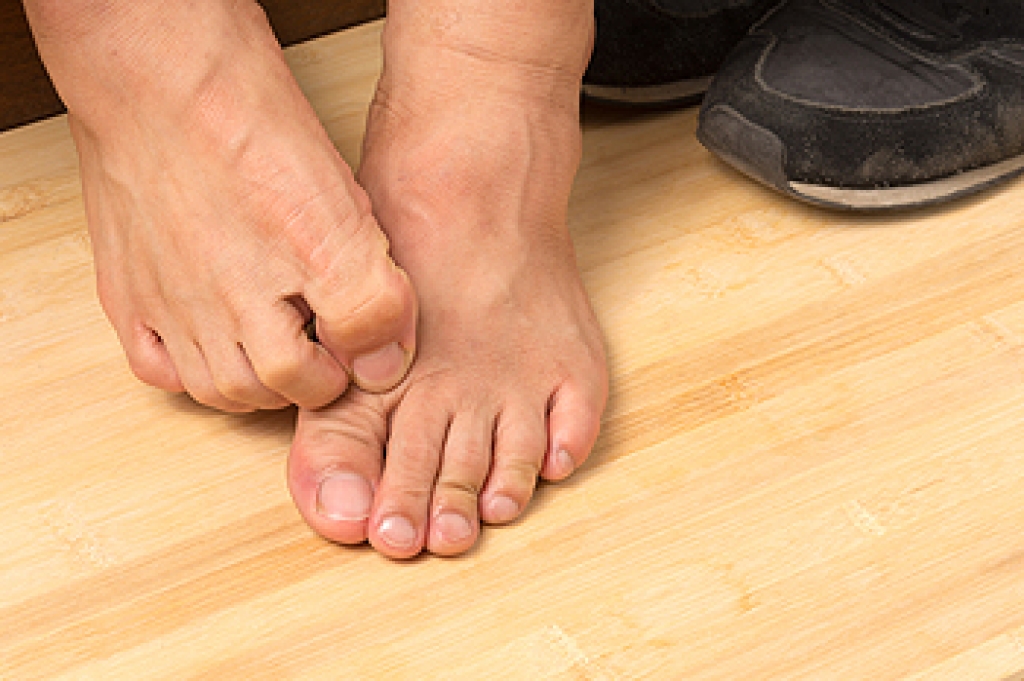
Why Live with Pain and Numbness in Your Feet?

Suffering from this type of pain? You may have the foot condition known as Morton's neuroma. Morton's neuroma may develop as a result of ill-fitting footwear and existing foot deformities. We can help.

How Contagious Is Athlete’s Foot?

Athlete’s foot is a fungal infection of the skin on the feet. It is characterized by an itchy, red rash and dry, peeling skin on the feet. Athlete’s foot is highly contagious. Many people catch it by walking barefoot in public areas such as swimming pools, locker rooms, and showers. These environments are warm and moist making them the perfect breeding ground for fungi. You can also catch this fungal infection by sharing personal items like towels, socks, or shoes with an infected individual. Athlete’s foot can spread from your feet to other parts of the body as well, so it is best to treat the infection as soon as possible. If you have symptoms of athlete’s foot, please seek the care of a podiatrist.  

Athlete’s foot is an inconvenient condition that can be easily reduced with the proper treatment. If you have any concerns about your feet and ankles, contact Dr. John L. Coleman from Florida.  Our doctor will treat your foot and ankle needs.

Athlete’s Foot: The Sole Story

Athlete's foot, also known as tinea pedis, can be an extremely contagious foot infection. It is commonly contracted in public changing areas and bathrooms, dormitory style living quarters, around locker rooms and public swimming pools, or anywhere your feet often come into contact with other people.

Solutions to Combat Athlete’s Foot

  • Hydrate your feet by using lotion
  • Exfoliate
  • Buff off nails
  • Use of anti-fungal products
  • Examine your feet and visit your doctor if any suspicious blisters or cuts develop

Athlete’s foot can cause many irritating symptoms such as dry and flaking skin, itching, and redness. Some more severe symptoms can include bleeding and cracked skin, intense itching and burning, and even pain when walking. In the worst cases, Athlete’s foot can cause blistering as well. Speak to your podiatrist for a better understanding of the different causes of Athlete’s foot, as well as help in determining which treatment options are best for you.

If you have any questions please feel free to contact our office located in Macclenny, FL . We offer the newest diagnostic and treatment technologies for all your foot and ankle needs.

Read more about How to Deal with Athlete's Foot
Connect With Us