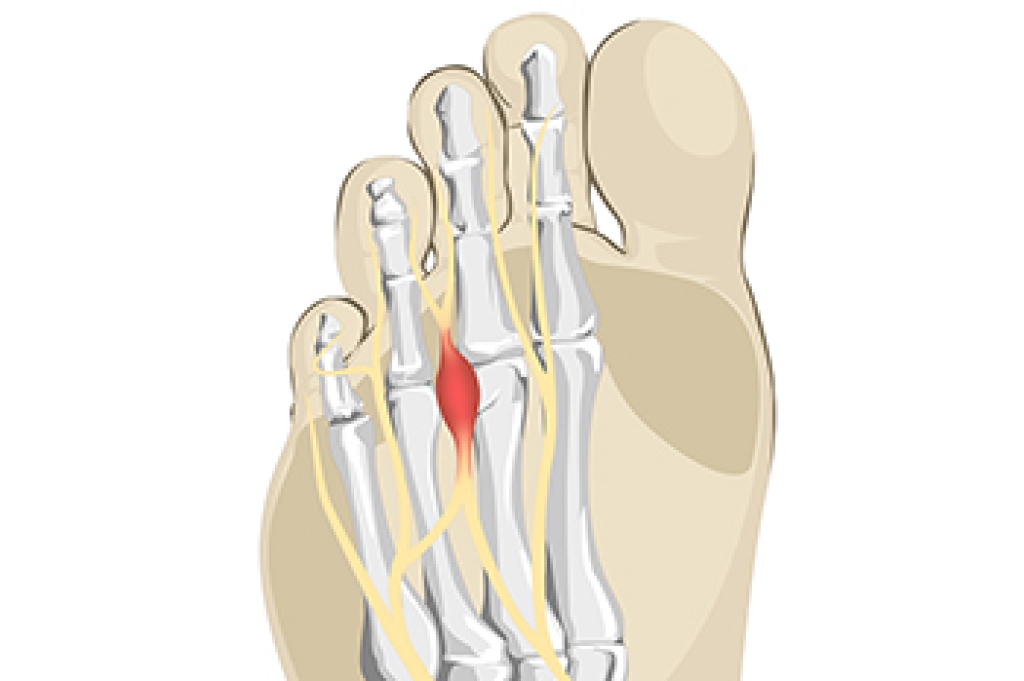


The majority of people have straight feet and toes. However, others have what are termed deformities, some that are genetic and others that are caused by external factors. Probably the most commonly recognized foot deformity is a bunion. This can be the result of having a splayed foot formation of the metatarsal bones which causes the feet to be wider at the top than normal and is often instrumental in the formation of a bunion. Another detrimental formation of the foot is flat foot, where the sole of the foot covers the ground while standing, and no arch is present. The opposite of flat feet is high arches, where the instep is higher than normal. This can lead to pain in the ball of the foot as well as causing difficulty in finding shoes that fit properly. Foot deformities can affect the gait, which is the way you walk, and contribute to pain in the knees, hips, and back. If you have a foot deformity that is causing pain, it is suggested that you make an appointment with a podiatrist for an exam and treatment options.
If you have any concerns about your feet, contact Dr. John L. Coleman from Florida. Our doctor can provide the care you need to keep you pain-free and on your feet.
Biomechanics in Podiatry
Podiatric biomechanics is a particular sector of specialty podiatry with licensed practitioners who are trained to diagnose and treat conditions affecting the foot, ankle and lower leg. Biomechanics deals with the forces that act against the body, causing an interference with the biological structures. It focuses on the movement of the ankle, the foot and the forces that interact with them.
A History of Biomechanics
- Biomechanics dates back to the BC era in Egypt where evidence of professional foot care has been recorded.
- In 1974, biomechanics gained a higher profile from the studies of Merton Root, who claimed that by changing or controlling the forces between the ankle and the foot, corrections or conditions could be implemented to gain strength and coordination in the area.
Modern technological improvements are based on past theories and therapeutic processes that provide a better understanding of podiatric concepts for biomechanics. Computers can provide accurate information about the forces and patterns of the feet and lower legs.
Understanding biomechanics of the feet can help improve and eliminate pain, stopping further stress to the foot.
If you have any questions please feel free to contact our office located in Macclenny, FL . We offer the newest diagnostic and treatment technologies for all your foot and ankle needs.