
159 North 3rd Street
Macclenny, Florida 32063

Identifying Symptoms and Root Causes of Athlete’s Foot

Athlete's foot, a common fungal infection, can cause discomfort and frustration for those affected. The symptoms often include itching, burning, and stinging sensations in the affected areas, generally between the toes or on the soles of the feet. Skin peeling, blistering, and dryness may also occur. This condition is primarily caused by various types of fungi, thriving in warm, damp environments such as locker rooms, swimming pools, and shared showers. Direct contact with the fungi through contaminated surfaces or by sharing shoes, towels, or socks can facilitate its spread. Additionally, individuals with sweaty feet or those who wear tight, closed toe shoes for extended periods are at higher risk. Maintaining proper foot hygiene, wearing breathable footwear, and keeping feet dry can aid in prevention and mitigate the symptoms of athlete's foot. Athlete’s foot is treated by a podiatrist, and it is suggested that you visit this type of doctor who can effectively treat this condition.

Athlete’s foot is an inconvenient condition that can be easily reduced with the proper treatment. If you have any concerns about your feet and ankles, contact Dr. John L. Coleman from Florida.  Our doctor will treat your foot and ankle needs.

Athlete’s Foot: The Sole Story

Athlete's foot, also known as tinea pedis, can be an extremely contagious foot infection. It is commonly contracted in public changing areas and bathrooms, dormitory style living quarters, around locker rooms and public swimming pools, or anywhere your feet often come into contact with other people.

Solutions to Combat Athlete’s Foot

  • Hydrate your feet by using lotion
  • Exfoliate
  • Buff off nails
  • Use of anti-fungal products
  • Examine your feet and visit your doctor if any suspicious blisters or cuts develop

Athlete’s foot can cause many irritating symptoms such as dry and flaking skin, itching, and redness. Some more severe symptoms can include bleeding and cracked skin, intense itching and burning, and even pain when walking. In the worst cases, Athlete’s foot can cause blistering as well. Speak to your podiatrist for a better understanding of the different causes of Athlete’s foot, as well as help in determining which treatment options are best for you.

If you have any questions please feel free to contact our office located in Macclenny, FL . We offer the newest diagnostic and treatment technologies for all your foot and ankle needs.

Read more about Athlete's Foot

Diabetic Foot Ulcers

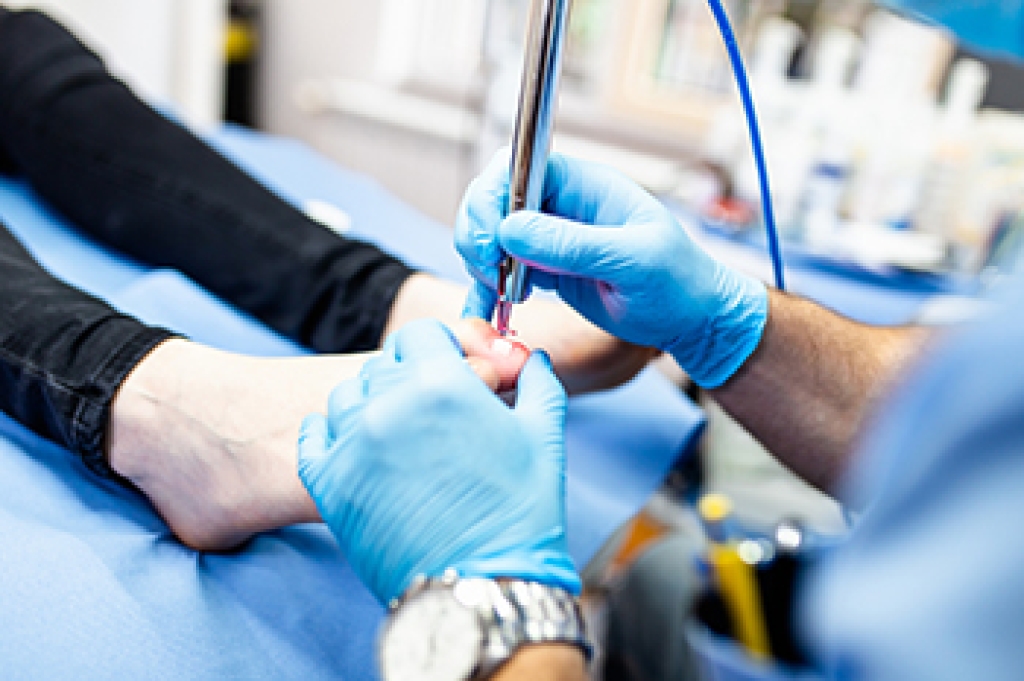
A foot ulcer is defined as any break in the skin. It is the most common type of diabetic foot wound and can lead to loss of functioning and severe complications. These foot wounds often result from factors such as poor blood sugar control, diabetic peripheral neuropathy, and abnormal foot mechanics due to deformities. Diabetic peripheral neuropathy, a side effect of diabetes, can also lead to a loss of protective sensation in the feet, making early injury detection challenging. The assessment of the diabetic foot involves a comprehensive foot and body examination. This can consist of assessing risk factors, undergoing a dermatologic and musculoskeletal evaluation, and having neurologic tests that can determine the degree of sensation. Treatment of diabetic foot ulcers includes debridement, wound culturing, and wound dressings. Additionally, it is important to monitor glycemic control and infection control. Their prevention and management are essential to improve the patient’s quality of life. If you have diabetes and have developed a foot wound or any other foot condition, it is strongly suggested that you make an appointment with a podiatrist who can evaluate your situation, and receive the appropriate treatment.

Wound care is an important part in dealing with diabetes. If you have diabetes and a foot wound or would like more information about wound care for diabetics, consult with Dr. John L. Coleman from Florida. Our doctor will assess your condition and provide you with quality foot and ankle treatment.

What Is Wound Care?

Wound care is the practice of taking proper care of a wound. This can range from the smallest to the largest of wounds. While everyone can benefit from proper wound care, it is much more important for diabetics. Diabetics often suffer from poor blood circulation which causes wounds to heal much slower than they would in a non-diabetic. 

What Is the Importance of Wound Care?

While it may not seem apparent with small ulcers on the foot, for diabetics, any size ulcer can become infected. Diabetics often also suffer from neuropathy, or nerve loss. This means they might not even feel when they have an ulcer on their foot. If the wound becomes severely infected, amputation may be necessary. Therefore, it is of the upmost importance to properly care for any and all foot wounds.

How to Care for Wounds

The best way to care for foot wounds is to prevent them. For diabetics, this means daily inspections of the feet for any signs of abnormalities or ulcers. It is also recommended to see a podiatrist several times a year for a foot inspection. If you do have an ulcer, run the wound under water to clear dirt from the wound; then apply antibiotic ointment to the wound and cover with a bandage. Bandages should be changed daily and keeping pressure off the wound is smart. It is advised to see a podiatrist, who can keep an eye on it.

If you have any questions please contact our office located in Macclenny, FL . We offer the newest diagnostic and treatment technologies for all your foot and ankle needs.

Read more about Wound Care

Reminder: When Was the Last Time...?

Custom orthotics, or shoe inserts, should be periodically replaced. Orthotics must fit properly to give you the best results. Protect your feet and ankles!

Surgery for Diabetic Peripheral Neuropathy

Diabetic peripheral neuropathy, or DPN, is a common complication of diabetes. It occurs when high blood sugar levels damage the nerves, especially those in the legs and feet. DPN can lead to various symptoms, including numbness, tingling, burning sensations, and pain in the affected areas. It can also cause muscle weakness and affect balance and coordination. Over time, it can have serious complications if not managed properly. Surgery to release nerves in the legs has been shown to help people with this affliction and researchers have found that when people had such surgery, they experienced less pain and had an improved ability to feel touch. Surgery on a specific nerve in the tarsal tunnel area seemed to work best in these cases, and those who underwent such surgery were less likely to get ulcers or need amputation. If you suffer from DPN, it is strongly suggested that you make an appointment with a podiatrist for a full evaluation and treatment. Surgery may or may not be right for you, but new developments are constantly being made in this area that can potentially be helpful.

Foot surgery is sometimes necessary to treat a foot ailment. To learn more, contact Dr. John L. Coleman of Florida. Our doctor will assist you with all of your foot and ankle needs.

When Is Surgery Necessary?

Foot and ankle surgery is generally reserved for cases in which less invasive, conservative procedures have failed to alleviate the problem. Some of the cases in which surgery may be necessary include:

  • Removing foot deformities like bunions and bone spurs
  • Severe arthritis that has caused bone issues
  • Cosmetic reconstruction

What Types of Surgery Are There?

The type of surgery you receive will depend on the nature of the problem you have. Some of the possible surgeries include:

  • Bunionectomy for painful bunions
  • Surgical fusion for realignment of bones
  • Neuropathy decompression surgery to treat nerve damage

Benefits of Surgery

Although surgery is usually a last resort, it can provide more complete pain relief compared to non-surgical methods and may allow you to finally resume full activity.

Surgical techniques have also become increasingly sophisticated. Techniques like endoscopic surgery allow for smaller incisions and faster recovery times.

If you have any questions, please feel free to contact our office located in Macclenny, FL . We offer the newest diagnostic and treatment technologies for all your foot care needs.

Read more about Foot and Ankle Surgery
Connect With Us