
159 North 3rd Street
Macclenny, Florida 32063

Risk Factors for Sever’s Disease

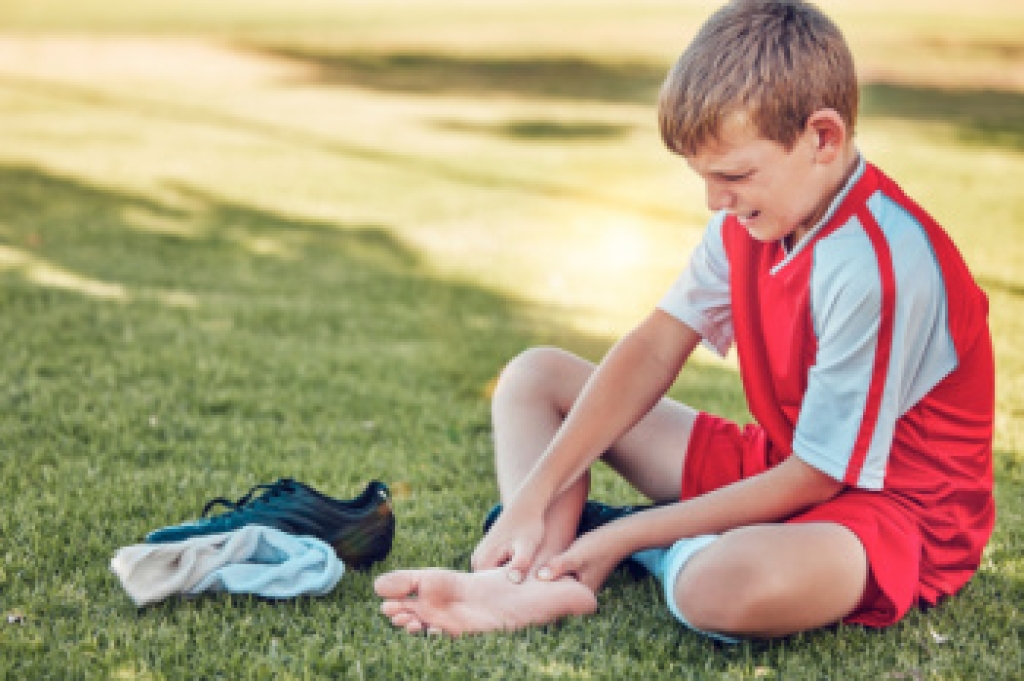
Sever’s disease is a heel condition seen in growing children, especially during growth spurts when bones develop quickly. It involves irritation of the growth plate at the back of the heel, an area of soft, developing bone. Several risk factors increase the chance of Sever’s disease. High-impact activities like running and jumping place repeated stress on the heel. Tight calf muscles can pull on the heel and increase strain. Limited ankle motion may also add pressure. Poor foot alignment, including flat feet or high arches, can change how weight is distributed. Wearing worn or low-cushioned athletic shoes and playing on hard surfaces further increases the risk. Increased body weight and rapid growth can also contribute. A podiatrist can provide medical treatment to reduce stress on the heel and support healing. If your active child experiences heel pain, it is suggested that you make an appointment with a podiatrist for treatment.

Sever's disease often occurs in children and teens. If your child is experiencing foot or ankle pain, see Dr. John L. Coleman from Florida. Our doctor can treat your child’s foot and ankle needs.

Sever’s Disease

Sever’s disease is also known as calcaneal apophysitis, which is a medical condition that causes heel pain I none or both feet. The disease is known to affect children between the ages of 8 and 14.

Sever’s disease occurs when part of the child’s heel known as the growth plate (calcaneal epiphysis) is attached to the Achilles tendon. This area can suffer injury when the muscles and tendons of the growing foot do not keep pace with bone growth. Therefore, the constant pain which one experiences at the back of the heel will make the child unable to put any weight on the heel. The child is then forced to walk on their toes.

Symptoms

Acute pain – Pain associated with Sever’s disease is usually felt in the heel when the child engages in physical activity such as walking, jumping and or running.

Highly active – Children who are very active are among the most susceptible in experiencing Sever’s disease, because of the stress and tension placed on their feet.

If you have any questions, please feel free to contact our office located in Macclenny, FL . We offer the newest diagnostic and treatment technologies for all your foot care needs.

Read more about Sever's Disease

Reasons for Diabetic Limb Salvage

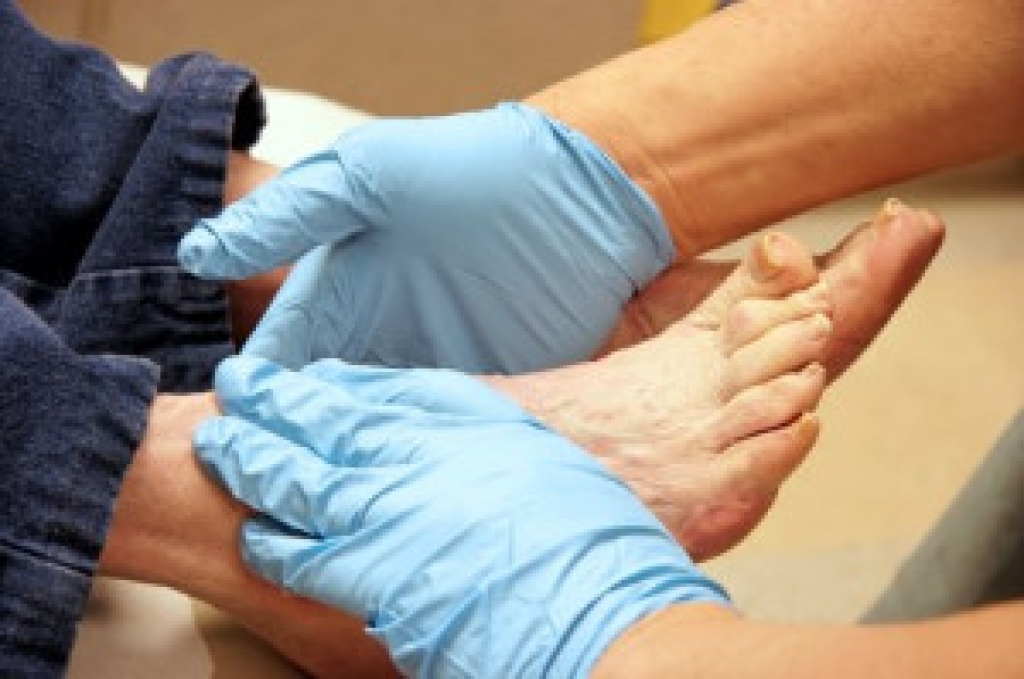
Diabetic limb salvage is a set of treatments aimed at preventing limb loss in people with severe foot complications from diabetes. It is often necessary due to conditions such as a severe form of peripheral artery disease, foot ulcers, or gangrene caused by poor circulation and nerve damage. Risk factors include long-standing diabetes, infection, and delayed wound care. The process involves restoring blood flow, removing infected tissue, and promoting healing through advanced medical care. A podiatrist plays an essential role by identifying problems early, managing wounds, and coordinating care to improve outcomes. If you have diabetes and notice non-healing wounds, discoloration, or severe pain in your feet, it is strongly suggested that you seek prompt professional care from a podiatrist who can guide you toward effective management solutions.

Limb salvage can be an effective way in preventing the need for limb amputation. If you have diabetes, cancer, or any other condition that could lead to foot amputation if left unchecked, consult with Dr. John L. Coleman from Florida. Our doctor will assess your condition and provide you with quality foot and ankle treatment.

What Is Limb Salvage?

Limb salvage is the attempt of saving a limb, such as the foot from amputation. Podiatrists also try to make sure that there is enough function in the foot after the salvage that it is still usable. Diabetes is the number one cause of non-traumatic amputations in the United States. Those with diabetes experience poor blood circulation, which prevents proper healing of an ulcer. If the ulcer is left uncheck, it could become infected, which could result in the need for amputation.

However, there are other causes as well, such as cancer and traumatic injury. Links between higher mortality rates and amputation have been found. This translates into higher healthcare costs, and a reduced quality of life and mobility for amputees. Podiatrists have attempted to increase the prevalence of limb salvage in an attempt to solve these issues.

Diagnosis and Treatment

Limb salvage teams have grown in recent years that utilize a number of different treatments to save the infected limb. This includes podiatrists that specialize in wound care, rehabilitation, orthotics, and surgery. Through a combination of these methods, limb salvage has been found to be an effective treatment for infected limbs, and as an alternative to amputation. Podiatrists will first evaluate the potential for limb salvage and determine if the limb can be saved or must be amputated. 

If you have any questions, please feel free to contact our office located in Macclenny, FL . We offer the newest diagnostic and treatment technologies for all your foot care needs.
Read more about Limb Salvage

Wounds That Don't Heal Need to Be Checked

Your feet are covered most of the day. If you're diabetic, periodic screening is important for good health. Numbness is often a sign of diabetic foot and can mask a sore or wound.

Connect With Us