


Custom orthotics, or shoe inserts, should be periodically replaced. Orthotics must fit properly to give you the best results. Protect your feet and ankles!
Custom orthotics, or shoe inserts, should be periodically replaced. Orthotics must fit properly to give you the best results. Protect your feet and ankles!
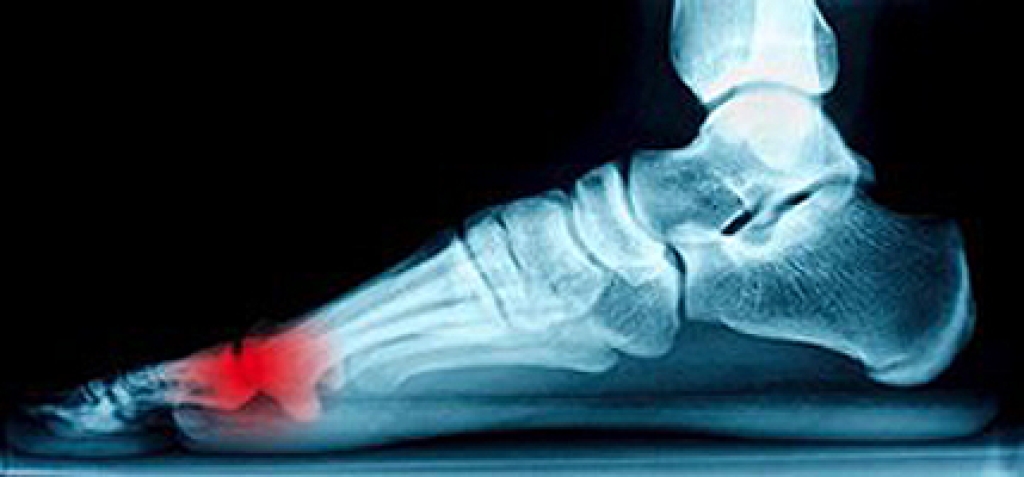 There are two bones that are located under the bottom of the big toe that are referred to as the sesamoid bones. If they should become inflamed, which may be the result of injury or overuse, sesamoiditis may develop. Many patients will experience pain if that area of the foot is touched, and may have difficulty in walking. A proper diagnosis is necessary to perform before beginning the correct treatment, which typically includes having an X-ray taken, or obtaining a bone scan or MRI. Mild relief may be found when there is additional cushioning added to the shoes, which may be effective in relieving a portion of the pressure. It may be beneficial to refrain from the activities that may have caused this condition, and comfort may be found when the foot is resting. If you have pain under the big toe, it is advised to schedule a consultation with a podiatrist who can properly treat sesamoiditis.
Sesamoiditis is an unpleasant foot condition characterized by pain in the balls of the feet. If you think you’re struggling with sesamoiditis, contact Dr. John L. Coleman of Florida. Our doctor will treat your condition thoroughly and effectively.
Sesamoiditis
Sesamoiditis is a condition of the foot that affects the ball of the foot. It is more common in younger people than it is in older people. It can also occur with people who have begun a new exercise program, since their bodies are adjusting to the new physical regimen. Pain may also be caused by the inflammation of tendons surrounding the bones. It is important to seek treatment in its early stages because if you ignore the pain, this condition can lead to more serious problems such as severe irritation and bone fractures.
Causes of Sesamoiditis
Treatment for sesamoiditis is non-invasive and simple. Doctors may recommend a strict rest period where the patient forgoes most physical activity. This will help give the patient time to heal their feet through limited activity. For serious cases, it is best to speak with your doctor to determine a treatment option that will help your specific needs.
If you have any questions, please feel free to contact our office located in Macclenny, FL . We offer the newest diagnostic and treatment technologies for all your foot care needs.
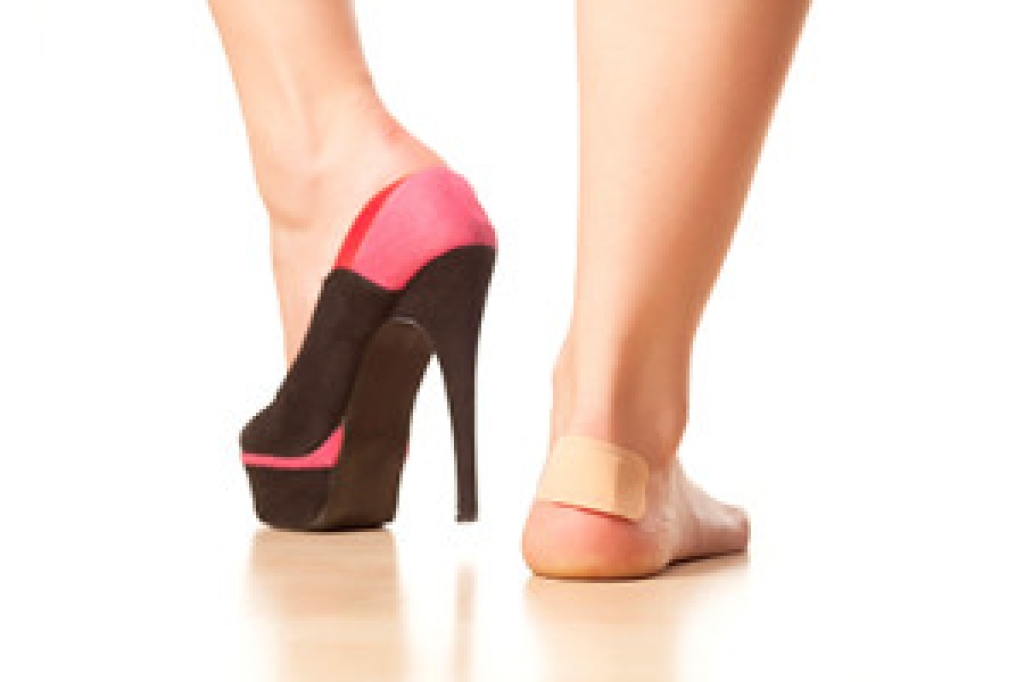 Research has indicated that foot pain women may experience may come from from wearing high heels. The balance in the body may be altered as a result of the ankles bending forward, and this is a feeling that is similar to standing on tiptoes. Additionally, the calf muscles may be shortened which may affect the Achilles tendon, and this may lead to painful injuries. It may be helpful to limit wearing high heels, or to choose a lower and wider heel. Stretching and resting the feet frequently throughout the day may be beneficial in preventing unwanted foot conditions that may be associated with wearing this type of shoe. If you would like additional information about the possible hazards associated with wearing high heels, it is suggested to consult with a podiatrist who can properly assist you.
High heels have a history of causing foot and ankle problems. If you have any concerns about your feet or ankles, contact Dr. John L. Coleman from Florida. Our doctor can provide the care you need to keep you pain-free and on your feet.
Effects of High Heels on the Feet
High heels are popular shoes among women because of their many styles and societal appeal. Despite this, high heels can still cause many health problems if worn too frequently.
Which Parts of My Body Will Be Affected by High Heels?
What Kinds of Foot Problems Can Develop from Wearing High Heels?
How Can I Still Wear High Heels and Maintain Foot Health?
If you want to wear high heeled shoes, make sure that you are not wearing them every day, as this will help prevent long term physical problems. Try wearing thicker heels as opposed to stilettos to distribute weight more evenly across the feet. Always make sure you are wearing the proper shoes for the right occasion, such as sneakers for exercising. If you walk to work, try carrying your heels with you and changing into them once you arrive at work. Adding inserts to your heels can help cushion your feet and absorb shock. Full foot inserts or metatarsal pads are available.
If you have any questions, please feel free to contact our office located in Macclenny, FL . We offer the newest diagnostic and treatment technologies for all your foot care needs.