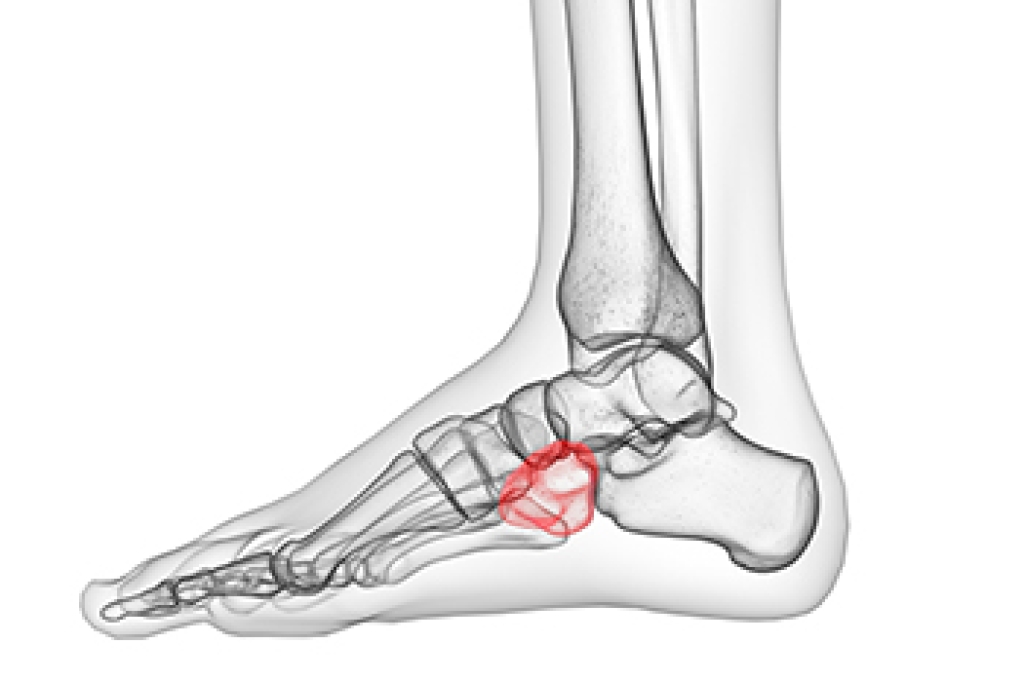

 Plantar fasciitis is one of the most common foot injuries and the most frequent cause of heel pain. This condition occurs when the plantar fascia, a ligament that runs along the bottom of the foot, becomes inflamed usually due to repetitive stress and overuse. When the plantar fascia is injured, you may feel a sharp, stabbing pain in your heel and have pain in the arch of the foot. The pain is often at its worst when you take your first few steps in the morning or after a long rest. Fortunately, plantar fasciitis is both treatable and preventable. To prevent plantar fasciitis, it is suggested that you wear comfortable, well-fitted, supportive shoes, rest your feet after a workout or after standing for an extended amount of time, and stretch your feet regularly. If you are suffering from heel pain, don’t hesitate to schedule an appointment with a podiatrist near you.
Plantar fasciitis can be very painful and inconvenient. If you are experiencing heel pain or symptoms of plantar fasciitis, contact Dr. John L. Coleman from Florida. Our doctor can provide the care you need to keep you pain-free and on your feet.
What Is Plantar Fasciitis?
Plantar fasciitis is the inflammation of the thick band of tissue that runs along the bottom of your foot, known as the plantar fascia, and causes mild to severe heel pain.
What Causes Plantar Fasciitis?
- Excessive running
- Non-supportive shoes
- Overpronation
- Repeated stretching and tearing of the plantar fascia
How Can It Be Treated?
- Conservative measures – anti-inflammatories, ice packs, stretching exercises, physical therapy, orthotic devices
- Shockwave therapy – sound waves are sent to the affected area to facilitate healing and are usually used for chronic cases of plantar fasciitis
- Surgery – usually only used as a last resort when all else fails. The plantar fascia can be surgically detached from the heel
While very treatable, plantar fasciitis is definitely not something that should be ignored. Especially in severe cases, speaking to your doctor right away is highly recommended to avoid complications and severe heel pain. Your podiatrist can work with you to provide the appropriate treatment options tailored to your condition.
If you have any questions, please feel free to contact our office located in Macclenny, FL . We offer the newest diagnostic and treatment technologies for all your foot care needs.