
159 North 3rd Street
Macclenny, Florida 32063

Reasons Blisters Develop on the Feet

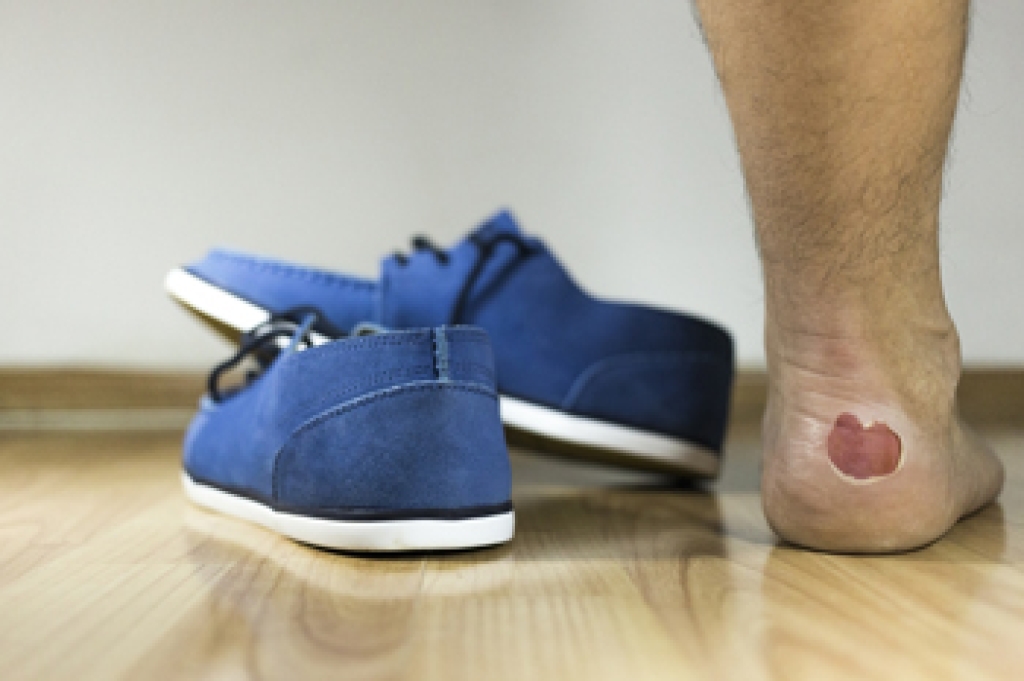
A common reason for blisters to develop on the feet is excessive pressure. This can happen as a result of wearing shoes that do not fit correctly, which may cause a part of the foot to rub against the shoe. A blister looks like a small bubble. It is filled with liquid and protects the damaged skin until it is replaced by new skin. It will gradually drain when the healing process is completed, and it is beneficial to refrain from prematurely popping it. Additional reasons to get a blister on the foot can consist of enduring a bad sunburn or having an allergic reaction to an insect bite. They may also develop from having an illness such as chickenpox. Treatment can begin with changing the shoes that are worn, followed by keeping the affected area clean and dry. Some people find it helpful to wear a protective covering over the blister until it has healed. If you have a blister on your foot, it is suggested that you consult with a podiatrist who can help you properly manage this condition.

Blisters may appear as a single bubble or in a cluster. They can cause a lot of pain and may be filled with pus, blood, or watery serum. If your feet are hurting, contact Dr. John L. Coleman of Florida. Our doctor can provide the care you need to keep you pain-free and on your feet.

Foot Blisters

Foot blisters are often the result of friction. This happens due to the constant rubbing from shoes, which can lead to pain.

What Are Foot Blisters?

A foot blister is a small fluid-filled pocket that forms on the upper-most layer of the skin. Blisters are filled with clear fluid and can lead to blood drainage or pus if the area becomes infected.

Symptoms

(Blister symptoms may vary depending on what is causing them)

  • Bubble of skin filled with fluid
  • Redness
  • Moderate to severe pain
  • Itching

Prevention & Treatment

In order to prevent blisters, you should be sure to wear comfortable shoes with socks that cushion your feet and absorb sweat. Breaking a blister open may increase your chances of developing an infection. However, if your blister breaks, you should wash the area with soap and water immediately and then apply a bandage to the affected area. If your blisters cause severe pain it is important that you call your podiatrist right away.

If you have any questions, please feel free to contact our office located in Macclenny, FL . We offer the newest diagnostic and treatment technologies for all your foot care needs.

Read more about Blisters

Foot Pain From Treadmill Running

When running on a treadmill, the feet may begin to ache. The first thing to do is to check your form and relax your body from head to toe with the goal of removing any tension. Next, it is important to make sure you are running at your fitness level and have the core muscle strength to sustain the intensity of the workout. If this is the issue, it is suggested that you reduce volume and speed to be more in line with your current abilities and build up from there. The incline of the treadmill may lead to foot pain, particularly when combined with speed and intensity.  Treadmill speed, breath, and heart rate can give you good clues as to whether you are overextending yourself. Your breathing should not be labored. Notice if your foot pain corresponds to the incline of the treadmill and adjust. Of course, foot pain while running on the treadmill may be related to the shoes you are wearing, which may not fit well or be appropriate for this activity. If your foot pain continues or worsens, and if it is also present when you are not running on the treadmill, it is suggested that you visit a podiatrist for an evaluation and recommendations to prevent and treat your discomfort.

Sports related foot and ankle injuries require proper treatment before players can go back to their regular routines. For more information, contact Dr. John L. Coleman of Florida. Our doctor can provide the care you need to keep you pain-free and on your feet.

Sports Related Foot and Ankle Injuries

Foot and ankle injuries are a common occurrence when it comes to athletes of any sport. While many athletes dismiss the initial aches and pains, the truth is that ignoring potential foot and ankle injuries can lead to serious problems. As athletes continue to place pressure and strain the area further, a mild injury can turn into something as serious as a rupture and may lead to a permanent disability. There are many factors that contribute to sports related foot and ankle injuries, which include failure to warm up properly, not providing support or wearing bad footwear. Common injuries and conditions athletes face, including:

  • Plantar Fasciitis
  • Achilles Tendinitis
  • Achilles Tendon Rupture
  • Ankle Sprains

Sports related injuries are commonly treated using the RICE method. This includes rest, applying ice to the injured area, compression and elevating the ankle. More serious sprains and injuries may require surgery, which could include arthroscopic and reconstructive surgery. Rehabilitation and therapy may also be required in order to get any recovering athlete to become fully functional again. Any unusual aches and pains an athlete sustains must be evaluated by a licensed, reputable medical professional.

If you have any questions please contact our office located in Macclenny, FL . We offer the newest diagnostic and treatment technologies for all your foot and ankle needs.

Read more about Sports Related Foot And Ankle Injuries

Symptoms of Morton’s Neuroma

The nerve found between the third and fourth toes can be affected by a foot condition known as Morton’s neuroma. This is an ailment that compresses or irritates the nerve and is considered to be benign. The majority of patients who develop Morton’s neuroma have severe pain and discomfort, and it can be difficult to walk. Morton's neuroma may be common in women who frequently wear high heels. These types of shoes have limited room in the toe area and this can cause the toes to shift toward each other, affecting the nerve. The pain is often felt in the ball of the foot and can be noticed while standing and walking. Additionally, a burning or tingling sensation can affect the toes, and it may feel like there is a small pebble in the shoe or sock. If you have pain in this area of your foot, it is suggested that you seek the counsel of a podiatrist who can perform a diagnosis and offer the proper treatment options.

Morton’s neuroma is a very uncomfortable condition to live with. If you think you have Morton’s neuroma, contact Dr. John L. Coleman of Florida. Our doctor will attend to all of your foot care needs and answer any of your related questions.  

Morton’s Neuroma

Morton's neuroma is a painful foot condition that commonly affects the areas between the second and third or third and fourth toe, although other areas of the foot are also susceptible. Morton’s neuroma is caused by an inflamed nerve in the foot that is being squeezed and aggravated by surrounding bones.

What Increases the Chances of Having Morton’s Neuroma?

  • Ill-fitting high heels or shoes that add pressure to the toe or foot
  • Jogging, running or any sport that involves constant impact to the foot
  • Flat feet, bunions, and any other foot deformities

Morton’s neuroma is a very treatable condition. Orthotics and shoe inserts can often be used to alleviate the pain on the forefront of the feet. In more severe cases, corticosteroids can also be prescribed. In order to figure out the best treatment for your neuroma, it’s recommended to seek the care of a podiatrist who can diagnose your condition and provide different treatment options.

If you have any questions, please feel free to contact our office located in Macclenny, FL . We offer the newest diagnostic and treatment technologies for all your foot care needs.

Read more about Morton's Neuroma

It's Time for Beautiful Feet

You don't need an excuse to have beautiful nails. Step outside without worrying about the appearance of your feet.

Connect With Us