
159 North 3rd Street
Macclenny, Florida 32063

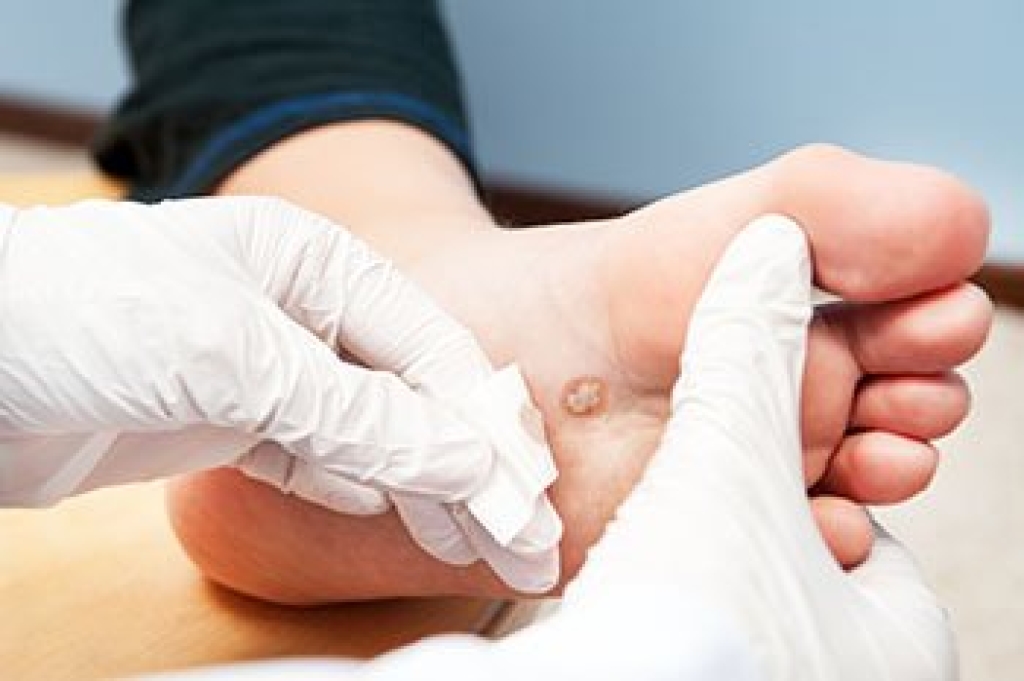
Managing Skin Warts on the Feet

Nongenital cutaneous warts, often found on the feet and toes, are caused by strains of the human papillomavirus, or HPV. These warts may appear as rough, thickened areas and sometimes grow inward due to pressure from walking. Treatment depends on the location, size, and persistence of the wart. Topical salicylic acid can help in mild cases by gradually peeling away layers of the wart. Cryotherapy, which uses liquid nitrogen to freeze the wart, is a common in-office procedure. Other methods include laser therapy, chemical treatments, or immune-based therapies to stimulate the body’s natural defense. In some cases, a minor surgical procedure may be required to remove deeply rooted or stubborn warts. Avoiding barefoot walking in public areas can help prevent future infections. If you have a persistent wart on your foot that is painful or not responding to treatment, it is suggested you see a podiatrist for a diagnosis and appropriate treatment.

Plantar warts can be very uncomfortable. If you need your feet checked, contact Dr. John L. Coleman from Florida. Our doctor will assist you with all of your foot and ankle needs.

About Plantar Warts

Plantar warts are the result of HPV, or human papillomavirus, getting into open wounds on the feet. They are mostly found on the heels or balls of the feet.

While plantar warts are generally harmless, those experiencing excessive pain or those suffering from diabetes or a compromised immune system require immediate medical care. Plantar warts are easily diagnosed, usually through scraping off a bit of rough skin or by getting a biopsy.

Symptoms

  • Lesions on the bottom of your feet, usually rough and grainy
  • Hard or thick callused spots
  • Wart seeds, which are small clotted blood vessels that look like little black spots
  • Pain, discomfort, or tenderness of your feet when walking or standing

Treatment

  • Freezing
  • Electric tool removal
  • Laser Treatment
  • Topical Creams (prescription only)
  • Over-the-counter medications

To help prevent developing plantar warts, avoid walking barefoot over abrasive surfaces that can cause cuts or wounds for HPV to get into. Avoiding direct contact with other warts, as well as not picking or rubbing existing warts, can help prevent the further spread of plantar warts. However, if you think you have developed plantar warts, speak to your podiatrist. He or she can diagnose the warts on your feet and recommend the appropriate treatment options.

If you have any questions, please feel free to contact our office located in Macclenny, FL . We offer the newest diagnostic and treatment technologies for all your foot care needs.


Read more about What Are Plantar Warts?

Relieving Heel Pain From Plantar Fasciitis

Plantar fasciitis is one of the most common causes of heel pain, often felt as a sharp or stabbing sensation with the first steps in the morning or after rest. It results from inflammation of the plantar fascia, the thick band of tissue that supports the arch and connects the heel to the toes. Diagnosis begins with a podiatrist reviewing your symptoms and medical history, followed by a physical exam to check for tenderness and tightness along the bottom of the foot. Imaging such as X-rays may be used to rule out other causes. Treatment typically includes rest, stretching exercises, wearing supportive footwear, or custom orthotics. In more persistent cases, targeted exercises, night splints, or anti-inflammatory treatments may be recommended. Addressing plantar fasciitis early helps prevent chronic pain or altered walking patterns. If heel pain is interfering with your daily life, it is suggested that you see a podiatrist.

Plantar fasciitis is a common foot condition that is often caused by a strain injury. If you are experiencing heel pain or symptoms of plantar fasciitis, contact Dr. John L. Coleman from Florida. Our doctor can provide the care you need to keep you pain-free and on your feet.

What Is Plantar Fasciitis?

Plantar fasciitis is one of the most common causes of heel pain. The plantar fascia is a ligament that connects your heel to the front of your foot. When this ligament becomes inflamed, plantar fasciitis is the result. If you have plantar fasciitis you will have a stabbing pain that usually occurs with your first steps in the morning. As the day progresses and you walk around more, this pain will start to disappear, but it will return after long periods of standing or sitting.

What Causes Plantar Fasciitis?

  • Excessive running
  • Having high arches in your feet
  • Other foot issues such as flat feet
  • Pregnancy (due to the sudden weight gain)
  • Being on your feet very often

There are some risk factors that may make you more likely to develop plantar fasciitis compared to others. The condition most commonly affects adults between the ages of 40 and 60. It also tends to affect people who are obese because the extra pounds result in extra stress being placed on the plantar fascia.

Prevention

  • Take good care of your feet – Wear shoes that have good arch support and heel cushioning.
  • Maintain a healthy weight
  • If you are a runner, alternate running with other sports that won’t cause heel pain

There are a variety of treatment options available for plantar fasciitis along with the pain that accompanies it. Additionally, physical therapy is a very important component in the treatment process. It is important that you meet with your podiatrist to determine which treatment option is best for you.

If you have any questions, please feel free to contact our office located in Macclenny, FL . We offer the newest diagnostic and treatment technologies for all your foot care needs.


Read more about Plantar Fasciitis

Causes of Children’s Foot Pain at Night

Foot pain at night in children can be distressing for both the child and the parents, and it often has several potential causes. One of the most common is growing pains, which typically occur in the muscles and may lead to aching sensations in the feet and legs during rest. Another possible cause is Sever's disease, a condition linked to inflammation of the growth plate in the heel, often brought on by physical activity. In some cases, foot pain may be due to sunburn, especially if a child has spent time barefoot outdoors without protection. The skin may become red, tender, and irritated, making it difficult to rest comfortably. If your child has nighttime foot pain, it is suggested that you schedule an appointment with a podiatrist who can offer effective treatment solutions.

The health of a child’s feet is vital to their overall well-being. If you have any questions regarding foot health, contact Dr. John L. Coleman of Florida. Our doctor can provide the care you need to keep you pain-free and on your feet.

Tips for Keeping Children's Feet Healthy

  • Make sure their shoes fit properly
  • Look for any signs of in-toeing or out-toeing
  • Check to see if they have Clubfoot (condition that affects your child’s foot and ankle, twisting the heel and toes inward) which is one of the most common nonmajor birth defects.
  • Lightly cover your baby’s feet (Tight covers may keep your baby from moving their feet freely, and could prevent normal development)
  • Allow your toddler to go shoeless (Shoes can be restricting for a young child’s foot)
  • Cut toenails straight across to avoid ingrown toenails
  • Keep your child’s foot clean and dry
  • Cover cuts and scrapes. Wash any scratches with soap and water and cover them with a bandage until they’ve healed.

If you have any questions, please feel free to contact our office located in Macclenny, FL . We offer the newest diagnostic and treatment technologies for all your foot care needs.

Read more about What to Do to Keep Your Child’s Feet Healthy

Why Your Toes Might Hurt and What to Do About It

Toe pain can make everyday activities uncomfortable, whether you are walking, running, or simply wearing shoes. Common causes include bunions, hammertoes, ingrown toenails, and arthritis. Repetitive stress from wearing tight shoes, high-impact activities, or foot deformities can also lead to inflammation and pain in the toes. If your toes are sore, swollen, or stiff, rest may provide temporary relief. Wearing shoes with a roomy toe box and good arch support can ease pressure on the joints. Stretching and strengthening exercises can improve flexibility and reduce discomfort. Persistent toe pain may signal a more serious problem, such as a stress fracture or nerve issue. If the pain does not improve or worsens, it is suggested that you see a podiatrist, who can diagnose the cause and recommend the right treatment.

Toe pain can disrupt your daily activities. If you have any concerns, contact Dr. John L. Coleman of Florida. Our doctor can provide the care you need to keep you pain-free and on your feet.

What Causes Toe Pain?

Most severe toe pain is caused due to a sports injury, trauma from dropping something heavy on the toe, or bumping into something rigid. Other problems can develop over time for various reasons.

Toe pain can be caused by one or more ailments. The most common include:

  • Trauma
  • Sports injury
  • Wearing shoes that are too tight
  • Arthritis
  • Gout
  • Corns and calluses
  • Hammertoe
  • Bunions
  • Blisters
  • Ingrown toenails
  • Sprains
  • Fractures (broken bones)
  • Dislocations

When to See a Podiatrist

  • Severe pain
  • Persistent pain that lasts more than a week
  • Signs of infection
  • Continued swelling
  • Pain that prevents walking

Diagnosis

In many cases the cause of toe pain is obvious, but in others, a podiatrist may want to use more advanced methods to determine the problem. These can range from simple visual inspections and sensation tests to X-rays and MRI scans. Prior medical history, family medical history, and any recent physical traumatic events will all be taken into consideration for a proper diagnosis.

Treatment

Treatments for toe pain and injuries vary and may include shoe inserts, padding, taping, medicines, injections, and in some cases, surgery. If you believe that you have broken a toe, please see a podiatrist as soon as possible.

If you have any questions please contact our office located in Macclenny, FL . We offer the newest diagnostic and treatment technologies for all your foot and ankle needs.

Read more about Toe Pain

It's Time for Beautiful Feet

You don't need an excuse to have beautiful nails. Step outside without worrying about the appearance of your feet.

Connect With Us