
159 North 3rd Street
Macclenny, Florida 32063

Symptoms and Causes of Flat Feet

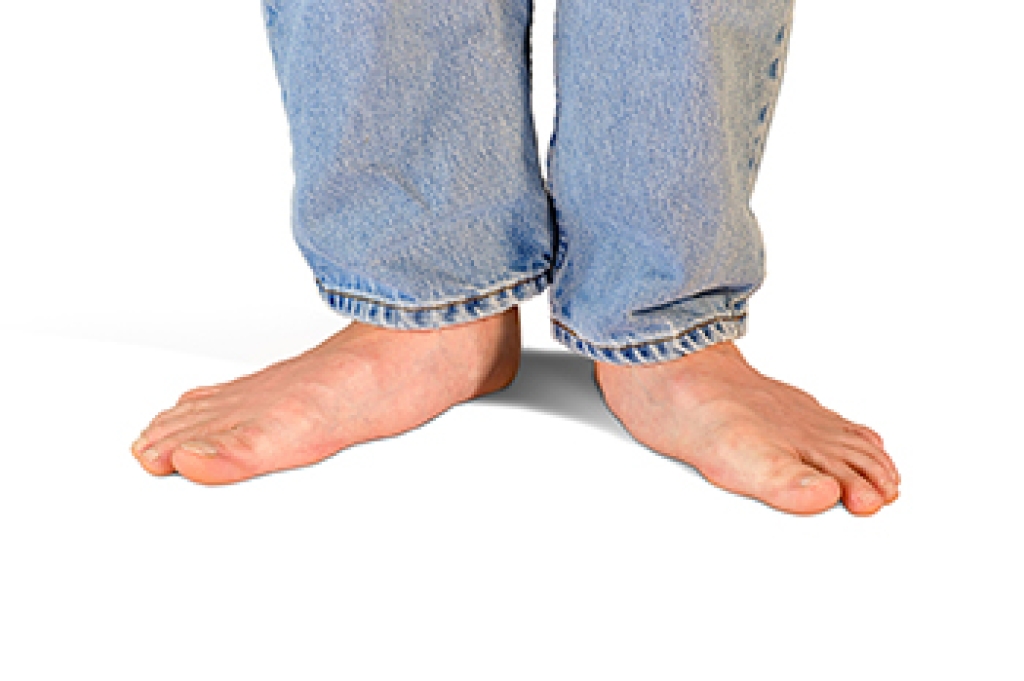
Flat feet, also called fallen arches, occur when the arch of the foot is lower than normal or completely flattened, causing the sole to touch the ground. While this condition is common in children as their arches develop, some people retain flat feet into adulthood. Others develop flat feet later in life due to aging, obesity, diabetes, or arthritis. Flat feet symptoms include pain in the arch, heel, or ankle, swelling, stiffness, and uneven wear on shoes. In some cases, the altered alignment of the feet can affect stability, increasing the risk of tripping or causing discomfort during activity. A podiatrist can diagnose flat feet by examining foot structure and movement. This foot doctor may recommend orthotics, which are custom shoe inserts designed to support the arch, improve foot alignment, and reduce pressure on the feet and ankles. Wearing supportive footwear can also help minimize discomfort. If you are experiencing pain caused by having flat feet, it is suggested that you schedule an appointment with a podiatrist for a diagnosis and treatment options.

Flatfoot is a condition many people suffer from. If you have flat feet, contact Dr. John L. Coleman from Florida. Our doctor will treat your foot and ankle needs.

What Are Flat Feet?

Flatfoot is a condition in which the arch of the foot is depressed and the sole of the foot is almost completely in contact with the ground. About 20-30% of the population generally has flat feet because their arches never formed during growth.

Conditions & Problems:

Having flat feet makes it difficult to run or walk because of the stress placed on the ankles.

Alignment – The general alignment of your legs can be disrupted, because the ankles move inward which can cause major discomfort.

Knees – If you have complications with your knees, flat feet can be a contributor to arthritis in that area.  

Symptoms

  • Pain around the heel or arch area
  • Trouble standing on the tip toe
  • Swelling around the inside of the ankle
  • Flat look to one or both feet
  • Having your shoes feel uneven when worn

Treatment

If you are experiencing pain and stress on the foot you may weaken the posterior tibial tendon, which runs around the inside of the ankle. 

If you have any questions, please feel free to contact our office located in Macclenny, FL . We offer the newest diagnostic and treatment technologies for all your foot care needs.
Read more about Flatfoot

Surgical Options for Bunions

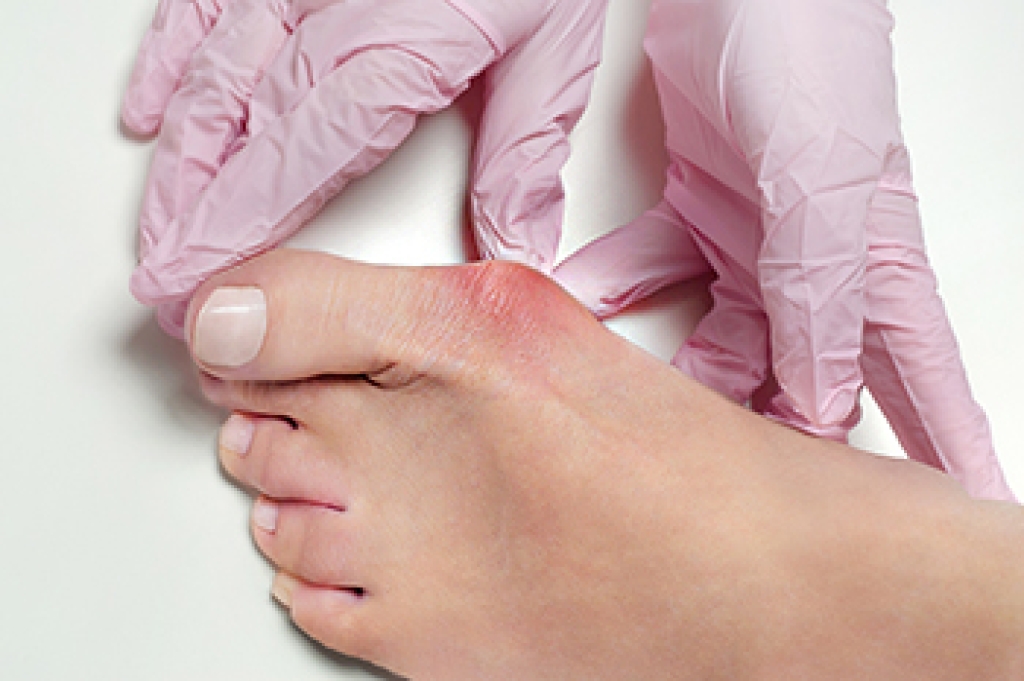
Bunions are painful, bony protrusions that develop on the foot, typically near the joint of the big toe or the base of the little toe. For people with severe or persistent bunions, surgery may offer relief and restore foot alignment. Depending on the severity, surgery for bunions can involve removing the enlarged portion of the bone, repositioning the affected bones, or realigning tendons, ligaments, and muscles surrounding the joint. In advanced cases, bone fusion to stabilize the joint may be used, especially if significant damage has occurred. These procedures aim to correct the deformity, reduce pain, and improve the foot’s function. Surgery is the only way to permanently address bunions, especially for those that cause difficulty while walking, or significant foot pain. A podiatrist can evaluate the bunion through physical exams and imaging tests before recommending the most appropriate surgical approach. This foot doctor also can provide post-operative care to ensure proper healing. If you have problematic bunions, it is suggested that you schedule an appointment with a podiatrist to determine if surgery is right for you.

Foot surgery is sometimes necessary to treat a foot ailment. To learn more, contact Dr. John L. Coleman of Florida. Our doctor will assist you with all of your foot and ankle needs.

When Is Surgery Necessary?

Foot and ankle surgery is generally reserved for cases in which less invasive, conservative procedures have failed to alleviate the problem. Some of the cases in which surgery may be necessary include:

  • Removing foot deformities like bunions and bone spurs
  • Severe arthritis that has caused bone issues
  • Cosmetic reconstruction

What Types of Surgery Are There?

The type of surgery you receive will depend on the nature of the problem you have. Some of the possible surgeries include:

  • Bunionectomy for painful bunions
  • Surgical fusion for realignment of bones
  • Neuropathy decompression surgery to treat nerve damage

Benefits of Surgery

Although surgery is usually a last resort, it can provide more complete pain relief compared to non-surgical methods and may allow you to finally resume full activity.

Surgical techniques have also become increasingly sophisticated. Techniques like endoscopic surgery allow for smaller incisions and faster recovery times.

If you have any questions, please feel free to contact our office located in Macclenny, FL . We offer the newest diagnostic and treatment technologies for all your foot care needs.

Read more about Foot and Ankle Surgery

The Role of Wound Care in Diabetic Foot Complications

Diabetic foot complications are common due to nerve damage, or neuropathy, and poor circulation, which make the feet vulnerable to injuries that may go unnoticed. Even small cuts or blisters can develop into serious ulcers, as high blood sugar levels delay wound healing and increase infection risk. For people with diabetes, regular foot checks are essential to catch injuries early. Wound care is a critical part of managing diabetic foot complications. It involves cleaning, debriding, or removing dead tissue, and protecting wounds to prevent infection and promote healing. In severe cases, advanced treatments like specialized dressings, antibiotics, and even hyperbaric oxygen therapy may be required. By addressing wounds promptly and properly, wound care reduces the risk of severe infections and amputations, making it a vital component in the comprehensive management of diabetic foot health. If you have diabetic-related foot problems, it is strongly suggested that you schedule regular appointments with a podiatrist for routine exams and expert care.

Wound care is an important part in dealing with diabetes. If you have diabetes and a foot wound or would like more information about wound care for diabetics, consult with Dr. John L. Coleman from Florida. Our doctor will assess your condition and provide you with quality foot and ankle treatment.

What Is Wound Care?

Wound care is the practice of taking proper care of a wound. This can range from the smallest to the largest of wounds. While everyone can benefit from proper wound care, it is much more important for diabetics. Diabetics often suffer from poor blood circulation which causes wounds to heal much slower than they would in a non-diabetic. 

What Is the Importance of Wound Care?

While it may not seem apparent with small ulcers on the foot, for diabetics, any size ulcer can become infected. Diabetics often also suffer from neuropathy, or nerve loss. This means they might not even feel when they have an ulcer on their foot. If the wound becomes severely infected, amputation may be necessary. Therefore, it is of the upmost importance to properly care for any and all foot wounds.

How to Care for Wounds

The best way to care for foot wounds is to prevent them. For diabetics, this means daily inspections of the feet for any signs of abnormalities or ulcers. It is also recommended to see a podiatrist several times a year for a foot inspection. If you do have an ulcer, run the wound under water to clear dirt from the wound; then apply antibiotic ointment to the wound and cover with a bandage. Bandages should be changed daily and keeping pressure off the wound is smart. It is advised to see a podiatrist, who can keep an eye on it.

If you have any questions please contact our office located in Macclenny, FL . We offer the newest diagnostic and treatment technologies for all your foot and ankle needs.

Read more about Wound Care

Are Bunions Affecting Your Everyday Life?

Have you noticed a bony protrusion on the side of your big toe? If so, you may have developed the foot condition known as a bunion. Don't let bunions interfere with your daily activities.

Connect With Us