


Suffering from this type of pain? You may have the foot condition known as Morton's neuroma. Morton's neuroma may develop as a result of ill-fitting footwear and existing foot deformities. We can help.
Suffering from this type of pain? You may have the foot condition known as Morton's neuroma. Morton's neuroma may develop as a result of ill-fitting footwear and existing foot deformities. We can help.

A corn on the foot can develop from excess pressure. This is often the result of wearing shoes that do not fit correctly. The types of corns that can form are referred to as hard and soft corns. The latter gradually develops between the toes and can cause severe pain and discomfort. The top of the corn is often moist, and toes that are crammed together for the majority of the day may cause this to occur. Hard corns can develop on top of the toes, or on the bottom of the feet. Patients who run barefoot may be susceptible to developing a hard corn. Additionally, they can form on top of the toes from wearing shoes that can cause excess friction as walking and running are pursued. If you have a corn on your foot, please consult with a podiatrist who can effectively treat any type of corn.
If you have any concerns regarding your feet and ankles, contact Dr. John L. Coleman of Florida. Our doctor will treat your foot and ankle needs.
Corns: What Are They? and How Do You Get Rid of Them?
Corns can be described as areas of the skin that have thickened to the point of becoming painful or irritating. They are often layers and layers of the skin that have become dry and rough, and are normally smaller than calluses.
Ways to Prevent Corns
There are many ways to get rid of painful corns such as wearing:
Treating Corns
Treatment of corns involves removing the dead skin that has built up in the specific area of the foot. Consult with Our doctor to determine the best treatment option for your case of corns.
If you have any questions, please feel free to contact our office located in Macclenny, FL . We offer the newest diagnostic and treatment technologies for all your foot care needs.
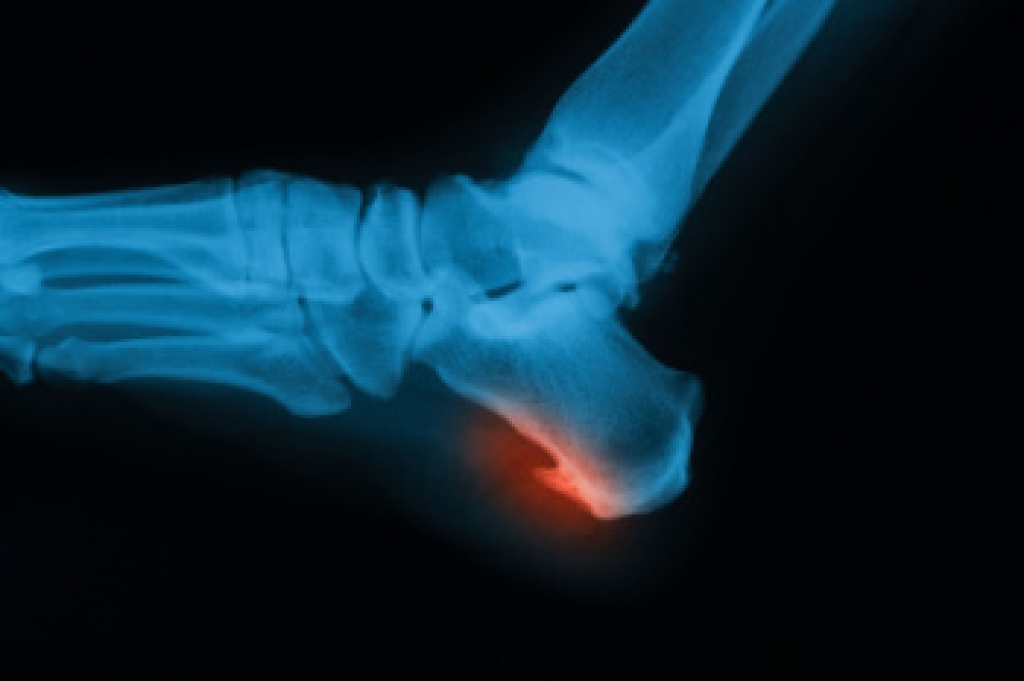
A heel spur is a bony growth that often develops on the underside of the heel bone due to calcium deposits forming over time. It often occurs as a result of repeated strain on foot muscles and ligaments. Causes include aging, joint stress, and being overweight. Poorly fitting footwear and participating in high impact athletic activity also may contribute. Risk factors involve prolonged standing, flat feet or high arches, and improper support during movement. Symptoms include sharp heel pain, especially with the first steps after rest, and ongoing discomfort while walking. A podiatrist can diagnose heel spurs through an examination and imaging. Treatment options include custom orthotics, stretching exercises, and supportive footwear. If you have heel pain, it is suggested that you consult a podiatrist who can accurately diagnose and treat heel spurs.
Heel spurs can be incredibly painful and sometimes may make you unable to participate in physical activities. To get medical care for your heel spurs, contact Dr. John L. Coleman from Florida. Our doctor will do everything possible to treat your condition.
Heels Spurs
Heel spurs are formed by calcium deposits on the back of the foot where the heel is. This can also be caused by small fragments of bone breaking off one section of the foot, attaching onto the back of the foot. Heel spurs can also be bone growth on the back of the foot and may grow in the direction of the arch of the foot.
Older individuals usually suffer from heel spurs and pain sometimes intensifies with age. One of the main condition's spurs are related to is plantar fasciitis.
Pain
The pain associated with spurs is often because of weight placed on the feet. When someone is walking, their entire weight is concentrated on the feet. Bone spurs then have the tendency to affect other bones and tissues around the foot. As the pain continues, the feet will become tender and sensitive over time.
Treatments
There are many ways to treat heel spurs. If one is suffering from heel spurs in conjunction with pain, there are several methods for healing. Medication, surgery, and herbal care are some options.
If you have any questions, please feel free to contact our office located in Macclenny, FL . We offer the newest diagnostic and treatment technologies for all your foot care needs.

Fracture blisters are fluid-filled skin lesions that develop on the foot after a bone fracture, caused by intense swelling and pressure that disrupts the layers of the skin, often appearing clear or filled with blood. These blisters are typically accompanied by pain, swelling, and a feeling of tightness in the affected area, and may increase the risk of infection, if not treated promptly and properly. Common causes include traumatic injuries such as falls, accidents, or sports-related impacts, while risk factors include severe swelling, poor circulation, and delayed medical attention. A podiatrist can assess the injury, protect the skin, and support proper healing. If you notice blistering after a foot injury, it is strongly suggested that you consult a podiatrist who can offer effective relief and treatment solutions.
Blisters are prone to making everyday activities extremely uncomfortable. If your feet are hurting, contact Dr. John L. Coleman of Florida. Our doctor can provide the care you need to keep you pain-free and on your feet.
Foot Blisters
Foot blisters develop as a result of constantly wearing tight or ill-fitting footwear. This happens due to the constant rubbing from the shoe, which can often lead to pain.
What Are Foot Blisters?
A foot blister is a small fluid-filled pocket that forms on the upper-most layer of the skin. Blisters are filled with clear fluid and can lead to blood drainage or pus if the area becomes infected.
How Do Blisters Form?
Blisters on the feet are often the result of constant friction of skin and material, usually by shoe rubbing. Walking in sandals, boots, or shoes that don’t fit properly for long periods of time can result in a blister. Having consistent foot moisture and humidity can easily lead to blister formation.
Prevention & Treatment
It is important to properly care for the affected area in order to prevent infection and ease the pain. Do not lance the blister and use a Band-Aid to provide pain relief. Also, be sure to keep your feet dry and wear proper fitting shoes. If you see blood or pus in a blister, seek assistance from a podiatrist.
If you have any questions, please feel free to contact our office located in Macclenny, FL . We offer the newest diagnostic and treatment technologies for all your foot care needs.
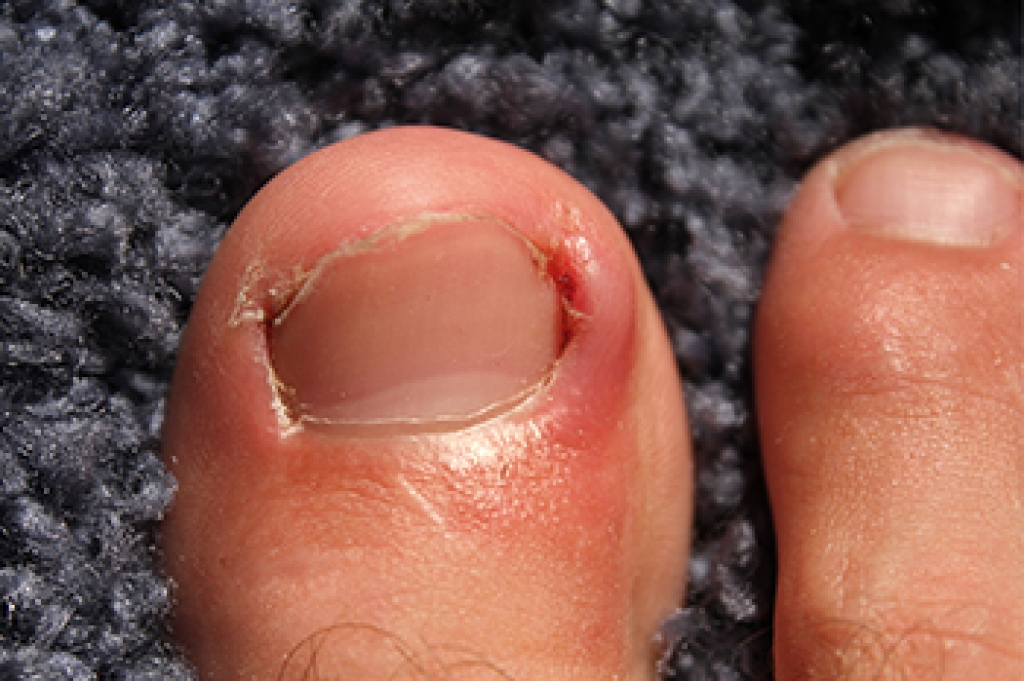
An ingrown toenail occurs when the edge of a nail grows into the surrounding skin, most often on the big toe, causing pain, redness, and swelling. This usually happens from cutting nails too short, rounding the edges, wearing tight shoes, or injuring the toe. If not treated, the area can become infected, leading to a condition called paronychia, where bacteria or fungi invade the skin surrounding the nail. This may cause pus, increased pain, and further swelling. In rare cases, complications like skin damage or deeper infections can develop, especially in people with diabetes. Mild cases can often be managed with conservative care. However, more severe cases with significant pain or infection may require more advanced medical treatment, including minor procedures to remove part of the nail and prevent recurrence. If you have a painful ingrown toenail, it is suggested that you see a podiatrist for effective relief and treatment solutions.
Ingrown toenails may initially present themselves as a minor discomfort, but they may progress into an infection in the skin without proper treatment. For more information about ingrown toenails, contact Dr. John L. Coleman of Florida. Our doctor can provide the care you need to keep you pain-free and on your feet.
Ingrown Toenails
Ingrown toenails are caused when the corner or side of a toenail grows into the soft flesh surrounding it. They often result in redness, swelling, pain, and in some cases, infection. This condition typically affects the big toe and may recur if it is not treated properly.
Causes
You are more likely to develop an ingrown toenail if you are obese, have diabetes, arthritis, or have any fungal infection in your nails. Additionally, people who have foot or toe deformities are at a higher risk of developing an ingrown toenail.
Symptoms
Some symptoms of ingrown toenails are redness, swelling, and pain. In rare cases, there may be a yellowish drainage coming from the nail.
Treatment
Ignoring an ingrown toenail can have serious complications. Infections of the nail border can progress to a deeper soft-tissue infection, which can then turn into a bone infection. You should always speak with your podiatrist if you suspect you have an ingrown toenail, especially if you have diabetes or poor circulation.
If you have any questions, please feel free to contact our office located in Macclenny, FL . We offer the newest diagnostic and treatment technologies for all your foot care needs.