
159 North 3rd Street
Macclenny, Florida 32063

Foot Complications After Falling Down Steps

Falling down steps is a sudden traumatic event that can cause significant injury to the foot and ankle due to the high impact forces involved. This type of fall often occurs when a person missteps, loses balance, or fails to see a step clearly. The foot may twist, roll, or absorb direct impact, leading to damage in bones, ligaments, or soft tissues. Because stairs create uneven elevation changes, even a small miscalculation can result in injury.

Symptoms following a fall down steps vary depending on severity but often include sharp pain, swelling, bruising, and difficulty walking. Some individuals may notice instability in the ankle or an inability to bear weight. More serious injuries may present with deformity, grinding sensations, or persistent pain that worsens over time. Soft tissue injuries such as sprains or tendon strains are common, but fractures of the toes, heel, or ankle bones may also occur.


Risk factors for falling down steps include environmental hazards such as poorly maintained stairs, cluttered walkways, and inadequate lighting. Personal factors such as wearing improper footwear, rushing, or carrying heavy objects can also increase risk. Medical conditions that affect balance, coordination, or sensation in the feet further contribute to the likelihood of a fall. Reduced muscle strength or previous injuries may also make individuals more vulnerable to losing stability on stairs.


Foot conditions caused by falling down steps can range from mild to severe. Common injuries include ankle sprains, plantar fascia strain, metatarsal fractures, and ligament damage. In some cases, repeated instability may develop if injuries are not fully treated. Proper evaluation is important to prevent long term complications such as chronic pain or reduced mobility. If you have sustained a foot or ankle injury from falling down steps, it is suggested you consult a podiatrist for an accurate diagnosis and appropriate treatment.

Preventing falls among the elderly is very important. If you are older and have fallen or fear that you are prone to falling, consult with Dr. John L. Coleman from Florida. Our doctor will assess your condition and provide you with quality advice and care.

Every 11 seconds, an elderly American is being treated in an emergency room for a fall related injury. Falls are the leading cause of head and hip injuries for those 65 and older. Due to decreases in strength, balance, senses, and lack of awareness, elderly persons are very susceptible to falling. Thankfully, there are a number of things older persons can do to prevent falls.

How to Prevent Falls

Some effective methods that older persons can do to prevent falls include:

  • Enrolling in strength and balance exercise program to increase balance and strength
  • Periodically having your sight and hearing checked
  • Discuss any medications you have with a doctor to see if it increases the risk of falling
  • Clearing the house of falling hazards and installing devices like grab bars and railings
  • Utilizing a walker or cane
  • Wearing shoes that provide good support and cushioning
  • Talking to family members about falling and increasing awareness

Falling can be a traumatic and embarrassing experience for elderly persons; this can make them less willing to leave the house, and less willing to talk to someone about their fears of falling. Doing such things, however, will increase the likelihood of tripping or losing one’s balance. Knowing the causes of falling and how to prevent them is the best way to mitigate the risk of serious injury.  

If you have any questions, please feel free to contact our office located in Macclenny, FL . We offer the newest diagnostic and treatment technologies for all your foot care needs.

Read more about Falls Prevention

Causes and Risk Factors for Ingrown Toenails

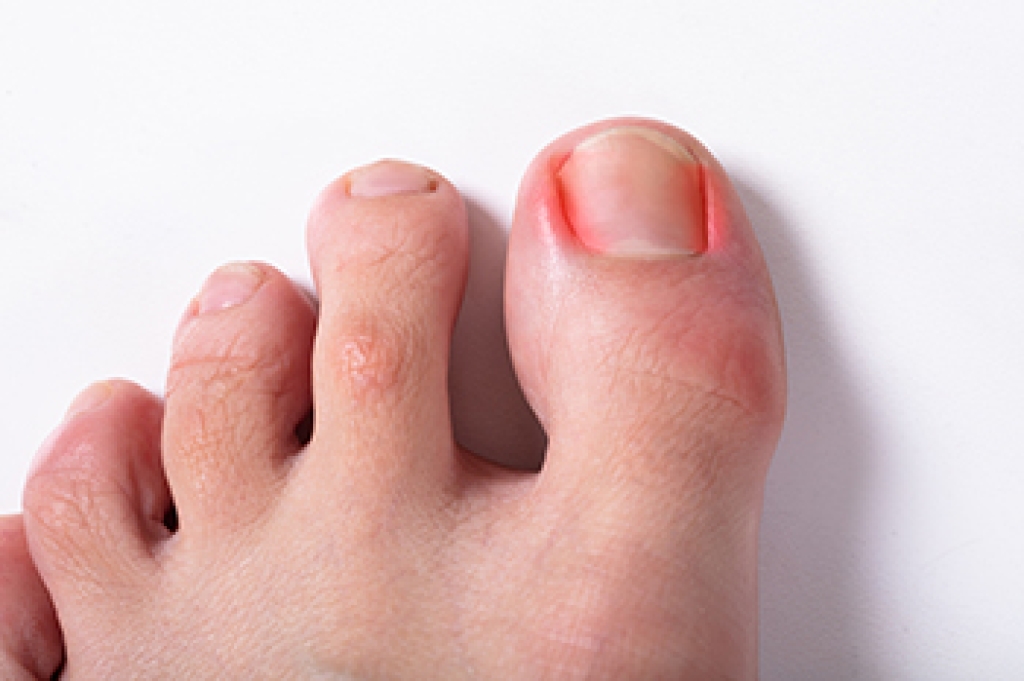
Ingrown toenails develop when the edge of a nail grows into the surrounding skin, leading to pain, swelling, and possible infection. An ingrown toenail usually affects the big toe, which can become infected if ignored. Causes include cutting nails too short, rounding the corners, or wearing tight shoes that crowd the toes. Excess moisture from sweaty feet can soften the skin, making it easier for the nail to penetrate. Some people inherit curved toenails that increase risk, while conditions like diabetes or poor circulation can slow healing and raise the chance of infection. Signs of ingrown toenails include redness, drainage, or overgrown tissue along the nail edge. A podiatrist can evaluate the toenail, relieve pressure, remove the problematic portion of the nail, and address infection to prevent complications. If you have a painful ingrown toenail, it is suggested that you make an appointment with a podiatrist for treatment.

Ingrown toenails can become painful if they are not treated properly. For more information about ingrown toenails, contact Dr. John L. Coleman of Florida. Our doctor can provide the care you need to keep you pain-free and on your feet.

Ingrown Toenails

Ingrown toenails occur when a toenail grows sideways into the bed of the nail, causing pain, swelling, and possibly infection.

Causes

  • Bacterial infections
  • Improper nail cutting such as cutting it too short or not straight across
  • Trauma to the toe, such as stubbing, which causes the nail to grow back irregularly
  • Ill-fitting shoes that bunch the toes too close together
  • Genetic predisposition

Prevention

Wearing proper fitting shoes and using proper cutting techniques will also help decrease your risk of developing ingrown toenails.

Treatment

Ingrown toenails are a very treatable foot condition. In minor cases, soaking the affected area in salt or antibacterial soaps will not only help with the ingrown nail itself, but also help prevent any infections from occurring. In more severe cases, surgery is an option. In either case, speaking to your podiatrist about this condition will help you get a better understanding of specific treatment options that are right for you.

If you have any questions, please feel free to contact our office located in Macclenny, FL . We offer the newest diagnostic and treatment technologies for all your foot care needs.
Read more about Ingrown Toenail Care

How a Podiatrist Diagnoses and Treats Broken Toes

A broken toe can make every step uncomfortable and interfere with work, exercise, and daily routines. This injury usually happens after the toe strikes a hard object or a heavy item falls on the foot. A broken toe can also result from a twisting injury. Pain, swelling, and bruising are common signs. Some people notice that the toe looks crooked or becomes difficult to move. Because these symptoms can resemble a sprain or a severe bruise, a careful examination is important. A podiatrist evaluates the injured toe, checks its position, and determines whether nearby joints have also been affected. X-rays provide clear images of the bones and help confirm the diagnosis. Identifying the exact location and severity of the break allows the podiatrist to develop the most effective treatment plan.

Broken toes vary in severity. Some fractures remain in their normal position, while others shift out of alignment. A fracture is the medical term for a broken bone. Damage can involve one bone or several bones in the toe. In some cases, the injury extends into a nearby joint, which can affect movement and increase discomfort. A podiatrist carefully evaluates the condition of the bones, joints, and surrounding soft tissues. Prompt diagnosis helps reduce the risk of improper healing, long-term pain, and lasting changes in foot function. Early treatment also supports proper bone alignment and helps protect normal movement while walking.

Treatment depends on the location of the break and how far the bone has moved. A podiatrist develops a treatment plan that promotes proper healing and helps restore foot function. Care includes protecting the injured toe, monitoring healing with follow-up examinations, and recommending supportive devices when appropriate. More severe fractures sometimes require surgery to place the bones in their proper position. Regular follow-up visits allow the podiatrist to monitor healing and make treatment adjustments when necessary. Professional care also helps lower the risk of stiffness, ongoing pain, and future foot problems. If you have  broken your toe, it is suggested that you  promptly schedule an appointment with a podiatrist for appropriate treatment solutions.

Broken toes may cause a lot of pain and should be treated as soon as possible. If you have any concerns about your feet, contact Dr. John L. Coleman from Florida. Our doctor will treat your foot and ankle needs.

What Is a Broken Toe?

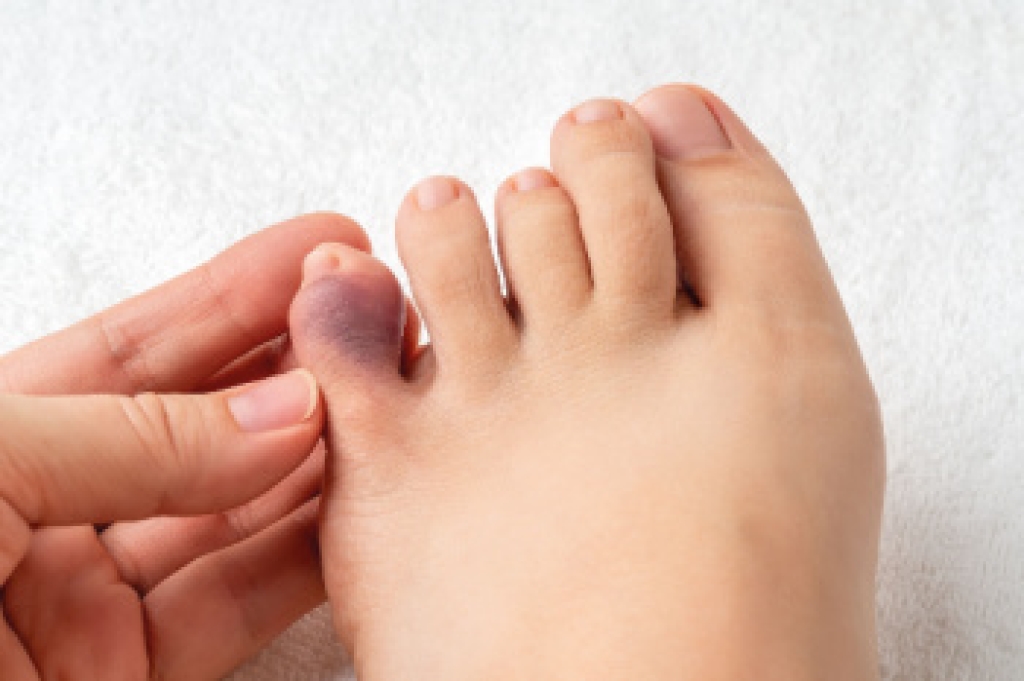
A broken toe occurs when one or more of the toe bones of the foot are broken after an injury. Injuries such as stubbing your toe or dropping a heavy object on it may cause a toe fracture.

Symptoms of a Broken Toe

  • Swelling
  • Pain (with/without wearing shoes)
  • Stiffness
  • Nail Injury

Although the injured toe should be monitored daily, it is especially important to have a podiatrist look at your toe if you have severe symptoms. Some of these symptoms include worsening or new pain that is not relieved with medication, sores, redness, or open wounds near the toe.

If you have any questions please feel free to contact our office located in Macclenny, FL . We offer the newest diagnostic tools and technology to treat your foot and ankle needs.

Read more about What to Know About a Broken Toe

Reminder: When Was the Last Time...?

Custom orthotics, or shoe inserts, should be periodically replaced. Orthotics must fit properly to give you the best results. Protect your feet and ankles!

Connect With Us