
159 North 3rd Street
Macclenny, Florida 32063

Children’s Shoe Stages and Foot Health

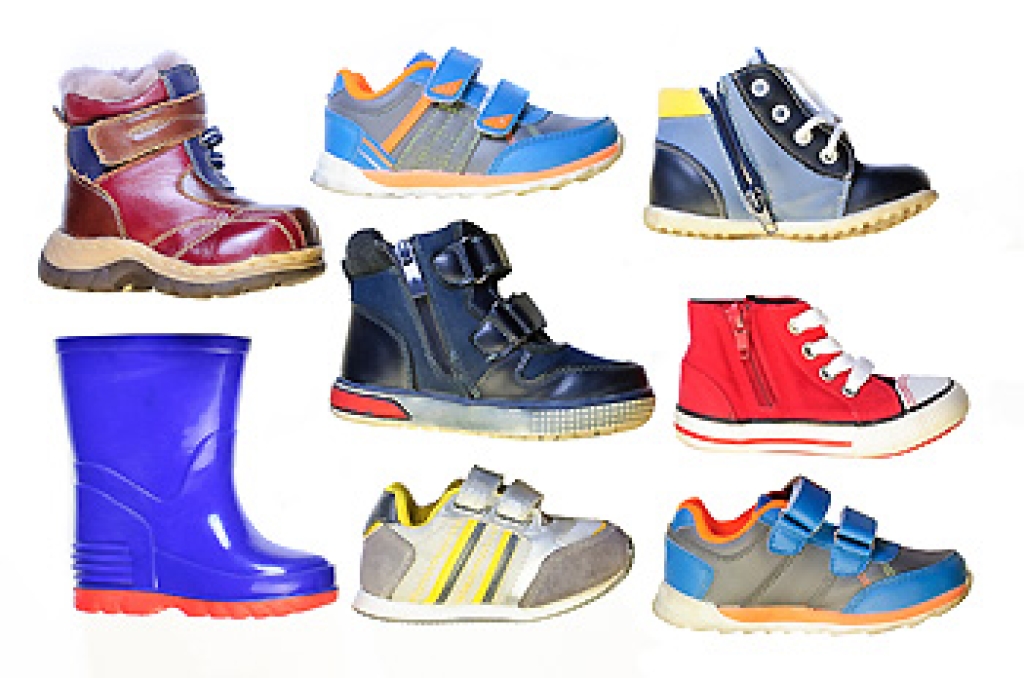
Children’s shoes should support natural growth while protecting developing feet. This calls for wearing soft, flexible footwear that allow freedom to move. For infants who are not yet walking, shoes are not needed for proper development. Barefoot movement allows the foot to strengthen and adapt naturally to surfaces. Pre-walkers benefit from minimal interference, as restrictive footwear may limit muscle activation and coordination. This early stage sets the foundation for balance, posture, and healthy walking patterns.

As children begin taking early steps, footwear needs begin to change. Flexible shoes are recommended during this transition stage to allow natural bending and movement. A proper shoe should feel light, with a soft sole that supports without restricting motion. Symptoms of improper footwear may include difficulty walking, irritation, or visible pressure marks on the skin. Shoes that are too rigid can alter natural gait patterns and create unnecessary strain. Choosing the right design helps maintain comfort and supports early mobility.


Independent walkers require shoes that offer a balance of flexibility and structure. At this stage, supportive soles and secure closures help stabilize the foot while allowing freedom of movement. Risk factors for developing foot issues include narrow shoes, stiff materials, and improper sizing. Pressure on the toes can lead to discomfort and affect walking confidence. Parents should regularly check shoe fit as children grow quickly. 


The causes of many pediatric foot concerns can be traced to poor footwear choices during key developmental stages. Shoes that restrict movement or apply uneven pressure can interfere with natural growth. Selecting stage-appropriate footwear encourages proper alignment and reduces the likelihood of discomfort. A thoughtful approach to shoe selection supports healthy development and active movement. If your child has foot pain, from possibly wearing the wrong type of shoes, it is strongly suggested that you consult a podiatrist who can offer effective relief tips, and guide you on the correct shoes to buy for your child. 

The health of a child’s feet is vital to their overall well-being. If you have any questions regarding foot health, contact Dr. John L. Coleman of Florida. Our doctor can provide the care you need to keep you pain-free and on your feet.

Tips for Keeping Children's Feet Healthy

  • Make sure their shoes fit properly
  • Look for any signs of in-toeing or out-toeing
  • Check to see if they have Clubfoot (condition that affects your child’s foot and ankle, twisting the heel and toes inward) which is one of the most common nonmajor birth defects.
  • Lightly cover your baby’s feet (Tight covers may keep your baby from moving their feet freely, and could prevent normal development)
  • Allow your toddler to go shoeless (Shoes can be restricting for a young child’s foot)
  • Cut toenails straight across to avoid ingrown toenails
  • Keep your child’s foot clean and dry
  • Cover cuts and scrapes. Wash any scratches with soap and water and cover them with a bandage until they’ve healed.

If you have any questions, please feel free to contact our office located in Macclenny, FL . We offer the newest diagnostic and treatment technologies for all your foot care needs.
Read more about What to Do to Keep Your Child’s Feet Healthy

Managing Common Foot Problems in Elderly People

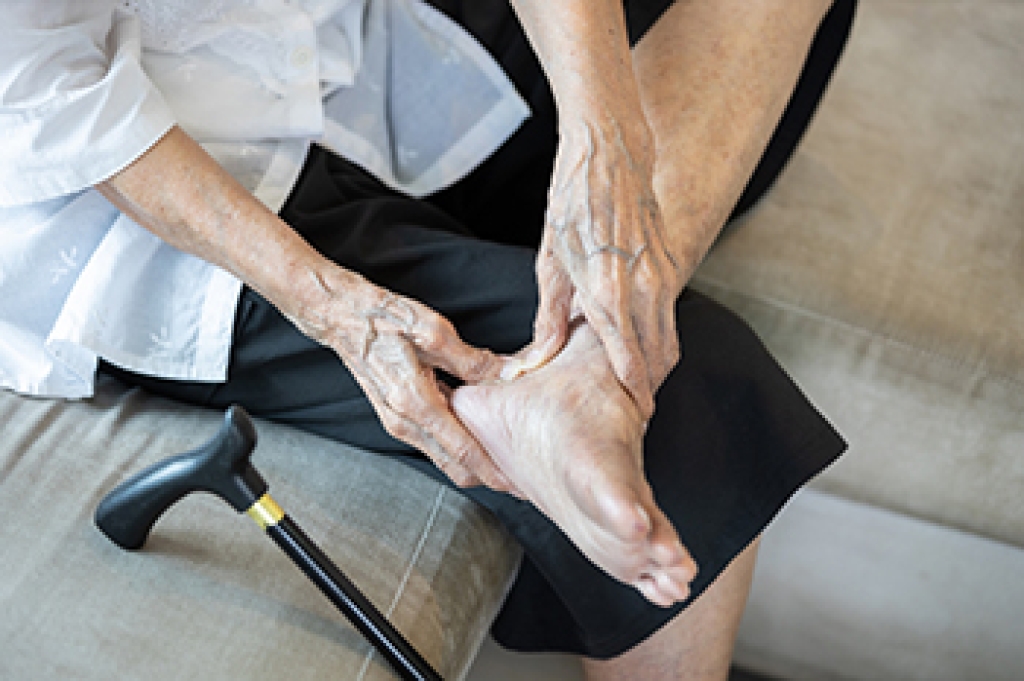
Common foot problems in elderly people include arthritis, bunions, and diabetic foot complications. These issues often develop due to the natural aging process, which affects joint health, circulation, and skin integrity. As people age, cartilage can wear down, leading to arthritis and stiffness in the feet. Bunions may form as a result of structural changes and long-term pressure on the joints. Diabetic foot problems can arise when high blood sugar affects nerve function and healing ability. The feet are often overlooked, yet they play a vital role in mobility and overall health.

Symptoms of these conditions may include joint pain, swelling, and difficulty walking. Bunions can cause visible deformity and discomfort, especially while wearing shoes. Numbness, tingling, or slow-healing wounds may indicate diabetic foot problems. Risk factors include aging, reduced circulation, chronic conditions such as diabetes, and wearing improper footwear. Limited flexibility and balance issues can also increase the likelihood of developing foot problems in older adults.


The causes of these conditions are closely linked to the aging process. With age, the body experiences reduced blood flow, thinning skin, and decreased cushioning in the feet. These changes can make the feet more vulnerable to injury and pressure-related conditions. A sedentary lifestyle can further reduce circulation and weaken muscles, making it more difficult to maintain proper foot function. Regular movement, wearing supportive footwear, and maintaining a healthy weight can help reduce stress on the feet and improve overall function.


Prevention focuses on daily foot care, proper hygiene, and routine monitoring for changes in skin or structure. Wearing well-fitted, supportive shoes can help reduce pressure and prevent deformities. Stretching and low-impact activity can support circulation and joint mobility. Early intervention can prevent minor issues from becoming more serious. If you are elderly and have developed foot problems, it is suggested that you consult a podiatrist for an accurate diagnosis and appropriate treatment.

Proper foot care is something many older adults forget to consider. If you have any concerns about your feet and ankles, contact Dr. John L. Coleman from Florida. Our doctor can provide the care you need to keep you pain-free and on your feet.

The Elderly and Their Feet

As we age we start to notice many changes in our body, but the elder population may not notice them right away. Medical conditions may prevent the elderly to take notice of their foot health right away. Poor vision is a lead contributor to not taking action for the elderly.

Common Conditions 

  • Neuropathy – can reduce feeling in the feet and can hide many life-threatening medical conditions.
  • Reduced flexibility – prevents the ability of proper toenail trimming, and foot cleaning. If left untreated, it may lead to further medical issues.
  • Foot sores – amongst the older population can be serious before they are discovered. Some of the problematic conditions they may face are:
  • Gouging toenails affecting nearby toe
  • Shoes that don’t fit properly
  • Pressure sores
  • Loss of circulation in legs & feet
  • Edema & swelling of feet and ankles

Susceptible Infections

Diabetes and poor circulation can cause general loss of sensitivity over the years, turning a simple cut into a serious issue.

If you have any questions, please feel free to contact our office located in Macclenny, FL . We offer the newest diagnostic and treatment technologies for all your foot care needs.
Read more about Elderly Foot Care

What Causes a Black Toenail?

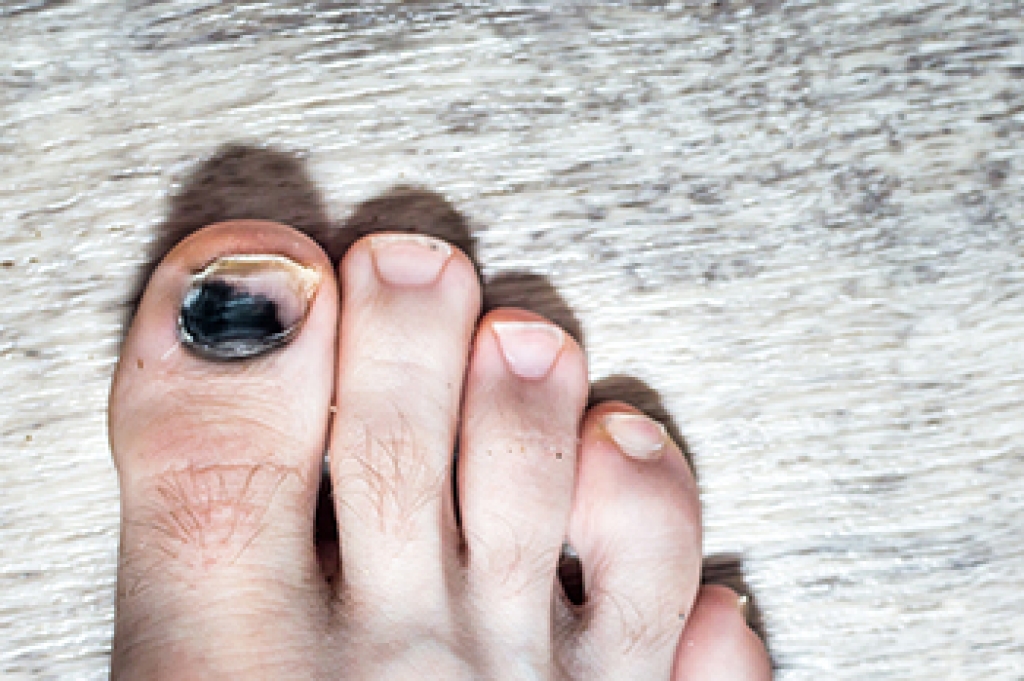
A black toenail is a condition where the toenail becomes darkened or discolored due to changes under or within the nail. The discoloration may appear black, purple, or dark red, depending on the cause. A black toenail is often related to bleeding beneath the nail, known as a subungual hematoma, but it can also develop from other conditions. Understanding the causes and symptoms can help determine when professional evaluation is needed.

Symptoms of a black toenail may include dark discoloration, swelling, and pressure under the nail. In some cases, the nail may become loose or separate from the nail bed. Pain is common when blood collects under the nail and creates pressure. Some individuals may not experience discomfort, especially when discoloration develops gradually. Changes in nail appearance should be monitored because they may indicate trauma, infection, or another underlying concern.


The causes of a black toenail often involve repetitive trauma or blunt force injuries. Repetitive trauma commonly occurs in runners, hikers, and athletes when the toes repeatedly hit the inside of a shoe during activity. Wearing shoes that are too tight can increase pressure and cause irritation beneath the nail. Blunt force, such as dropping an object on the toe or stubbing the toe, can also damage blood vessels under the nail. Fungal infections may cause darkened or thickened nails and can sometimes contribute to nail discoloration.


Risk factors for developing a black toenail include participating in high-impact activities, wearing improper footwear, and experiencing repeated pressure on the toes. Individuals with circulation concerns or certain medical conditions may also require closer monitoring of nail changes. Properly fitted shoes, wearing protective footwear, and attention to foot care can help reduce the risk of injury. If you have a black toenail, it is suggested that you consult a podiatrist for effective relief and treatment solutions. 

Toe pain can disrupt your daily activities. If you have any concerns, contact Dr. John L. Coleman of Florida. Our doctor can provide the care you need to keep you pain-free and on your feet.

What Causes Toe Pain?

Most severe toe pain is caused due to a sports injury, trauma from dropping something heavy on the toe, or bumping into something rigid. Other problems can develop over time for various reasons.

Toe pain can be caused by one or more ailments. The most common include:

  • Trauma
  • Sports injury
  • Wearing shoes that are too tight
  • Arthritis
  • Gout
  • Corns and calluses
  • Hammertoe
  • Bunions
  • Blisters
  • Ingrown toenails
  • Sprains
  • Fractures (broken bones)
  • Dislocations

When to See a Podiatrist

  • Severe pain
  • Persistent pain that lasts more than a week
  • Signs of infection
  • Continued swelling
  • Pain that prevents walking

Diagnosis

In many cases the cause of toe pain is obvious, but in others, a podiatrist may want to use more advanced methods to determine the problem. These can range from simple visual inspections and sensation tests to X-rays and MRI scans. Prior medical history, family medical history, and any recent physical traumatic events will all be taken into consideration for a proper diagnosis.

Treatment

Treatments for toe pain and injuries vary and may include shoe inserts, padding, taping, medicines, injections, and in some cases, surgery. If you believe that you have broken a toe, please see a podiatrist as soon as possible.

If you have any questions please contact our office located in Macclenny, FL . We offer the newest diagnostic and treatment technologies for all your foot and ankle needs.

Read more about Toe Pain

Foot and Ankle Injuries in Baseball

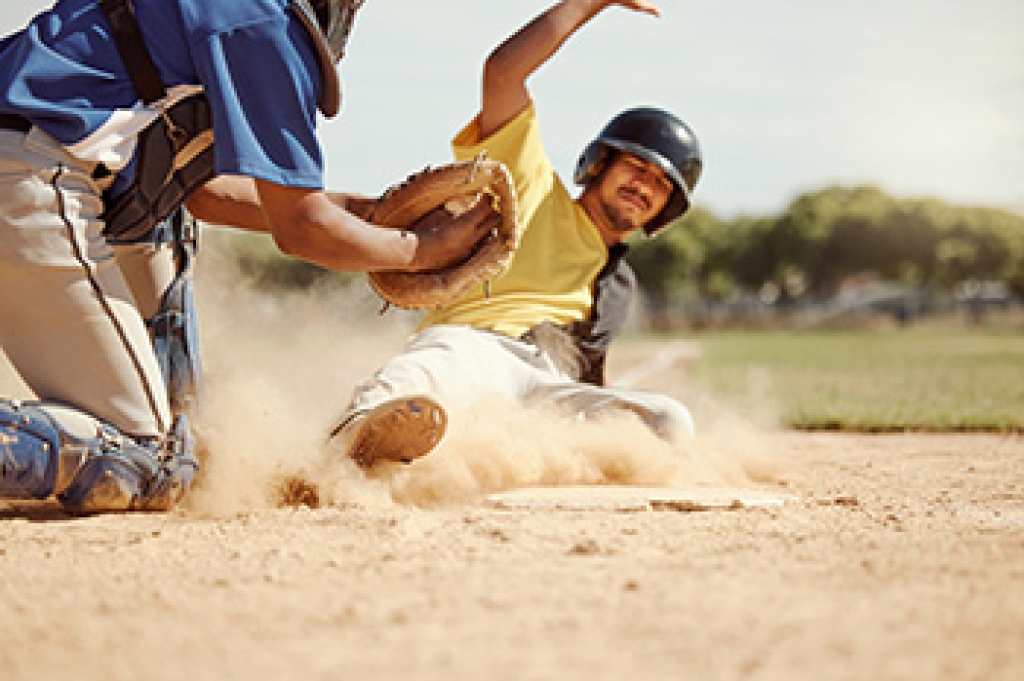
Baseball places repeated stress on the feet and ankles because every game includes sprinting, quick stops, sharp turns, and sliding. Players also put force on these joints while batting, pitching, and fielding. A fast change in direction or an awkward slide can stretch or tear ligaments, which are the strong bands of tissue that connect bones. Baseball also causes fractures, bruises, and tendon injuries. Tendons attach muscles to bones and help create movement. Pain in the heel, arch, or ball of the foot can develop from repeated strain. Studies show that nearly one out of every five baseball injuries affects the lower legs, feet, or ankles.

A podiatrist can help by learning how the injury occurred and examining the foot and ankle. The evaluation includes checking strength, stability, and range of motion. It also looks for swelling, tenderness, or changes in alignment. Imaging tests, like X-rays or MRI scans, help confirm fractures, torn ligaments, or other damage. A podiatrist also examines baseball cleats to see whether they fit properly and provide enough support. Treating injuries early helps prevent further damage and allows players to return to the field with greater confidence. Ignoring pain can turn a minor injury into one that limits performance for a much longer period.

Treatment depends on the type and severity of the injury. A podiatrist creates a plan that protects the injured area while promoting proper healing. Care includes supportive bracing, custom orthotics, or casting when needed. Some injuries may require surgery to restore stability or repair damaged tissue. A podiatrist also evaluates movement patterns and recommends shoe changes that reduce stress on the feet and ankles during baseball activities. Regular follow-up visits help track healing and determine when it is safe to resume play. If you have foot or ankle pain from sporting activity, it is suggested that you schedule an appointment with a podiatrist for diagnosis and appropriate treatment.

Ankle and foot injuries are common among athletes and in many sports. They can be caused by several problems and may be potentially serious. If you are feeling pain or think you were injured in a sporting event or when exercising, consult with Dr. John L. Coleman from Florida. Our doctor will assess your condition and provide you with quality foot and ankle treatment.

Common Injuries

The most common injuries that occur in sporting activities include:

  • Achilles Tendonitis
  • Achilles Tendon Rupture
  • Ankle Sprains
  • Broken Foot
  • Plantar Fasciitis
  • Stress Fractures
  • Turf Toe

Symptoms

Symptoms vary depending upon the injury and in some cases, there may be no symptoms at all. However, in most cases, some form of symptom is experienced. Pain, aching, burning, bruising, tenderness, tightness or stiffness, sensation loss, difficulty moving, and swelling are the most common symptoms.

Treatment

Just as symptoms vary depending upon the injury, so do treatment options. A common treatment method is known as the RICE method. This method involves rest, applying ice, compression and elevating the afflicted foot or ankle. If the injury appears to be more serious, surgery might be required, such as arthroscopic or reconstructive surgery. Lastly, rehabilitation or therapy might be needed to gain full functionality in the afflicted area. Any discomfort experienced by an athlete must be evaluated by a licensed, reputable medical professional.  

If you have any questions please contact our office located in Macclenny, FL . We offer the newest diagnostic and treatment technologies for all your foot and ankle needs.

Read more about Sports Related Foot and Ankle Injuries

Heel Pain Can Be Treated!

Do you suffer from heel pain when you get up in the morning? If so, you should seek professional help and have a proper diagnosis performed. Heel pain can be caused by several different foot-related conditions.

Connect With Us