

159 North 3rd Street
Macclenny, Florida 32063

Podiatry Treatment for Painful Foot Blisters

Blisters are small pockets of fluid that form beneath the outer layer of skin. On the feet, they frequently develop when repeated rubbing or pressure irritates the skin. Shoes that fit poorly can cause the foot to slide or rub against the inside of the shoe. Moisture and repeated physical activity can also increase friction. Blisters frequently appear on the heels, toes, or balls of the feet. Symptoms can include tenderness, redness, and a raised area filled with clear fluid. Some blisters contain blood when deeper layers of skin are affected. A blister can become painful enough to change how a patient stands or walks. Broken blisters can also leave the skin exposed and increase the risk of infection.

A podiatrist can evaluate painful or recurring blisters and determine what is contributing to the problem. An examination can include checking the blister, surrounding skin, and areas of increased pressure. The podiatrist can also evaluate foot structure and how pressure is distributed across the feet while standing or walking. Professional treatment can protect the damaged skin and reduce discomfort. A podiatrist can safely drain certain painful blisters while keeping the protective layer of skin in place when appropriate. Treatment can also address signs of infection or other complications. For recurring blisters, a podiatrist can recommend properly fitted shoes or custom orthotics to reduce friction and pressure.

Foot blisters can interfere with work, exercise, and everyday activities, especially when pressure continues to affect the injured area. Patients can change how they walk to avoid discomfort, which can place added stress on other parts of the feet. A podiatrist can identify pressure points that contribute to repeated blister formation and develop a treatment plan based on the patient's foot structure. Care can focus on protecting sensitive areas and improving pressure distribution. Treatment can also address underlying foot problems that cause repeated rubbing inside shoes. Proper evaluation is especially important when a blister is unusually painful, keeps returning, or shows signs of infection. If you have symptoms of blisters, it is suggested that you make an appointment with a podiatrist for diagnosis and treatment.

Blisters may appear as a single bubble or in a cluster. They can cause a lot of pain and may be filled with pus, blood, or watery serum. If your feet are hurting, contact Dr. John L. Coleman of Florida. Our doctor can provide the care you need to keep you pain-free and on your feet.

Foot Blisters

Foot blisters are often the result of friction. This happens due to the constant rubbing from shoes, which can lead to pain.

What Are Foot Blisters?

A foot blister is a small fluid-filled pocket that forms on the upper-most layer of the skin. Blisters are filled with clear fluid and can lead to blood drainage or pus if the area becomes infected.

Symptoms

(Blister symptoms may vary depending on what is causing them)

  • Bubble of skin filled with fluid
  • Redness
  • Moderate to severe pain
  • Itching

Prevention & Treatment

In order to prevent blisters, you should be sure to wear comfortable shoes with socks that cushion your feet and absorb sweat. Breaking a blister open may increase your chances of developing an infection. However, if your blister breaks, you should wash the area with soap and water immediately and then apply a bandage to the affected area. If your blisters cause severe pain it is important that you call your podiatrist right away.

If you have any questions, please feel free to contact our office located in Macclenny, FL . We offer the newest diagnostic and treatment technologies for all your foot care needs.

Read more about Blisters

Lisfranc Fracture Surgery

A Lisfranc injury affects the middle of the foot, where bones and ligaments connect the forefoot with the midfoot. This injury can range from a stretched ligament to a fracture or joint displacement. Symptoms include midfoot pain, swelling, and difficulty putting weight on the foot. Bruising on the bottom of the foot can be a warning sign. Because Lisfranc injuries can resemble a sprain, evaluation is important after injury.

A Lisfranc injury may occur when the foot twists while the body moves in another direction. Falls, car crashes, and sports injuries can create enough force to damage the Lisfranc joint complex. Risk increases with activities or trauma. Injuries are subtle and may seem manageable. Without treatment, an injury can lead to chronic pain, arthritis, or foot deformity. A podiatrist may use an examination and X-rays to evaluate for alignment. An MRI or CT scan may be recommended when the injury is difficult to see.

Lisfranc surgery may be needed when the joint is unstable, bones are displaced, or the injury cannot be maintained in proper alignment without fixation. During surgery, the podiatrist or foot and ankle surgeon realigns the bones. Screws, plates, or fixation devices may be used to hold the joints in position while they heal. The approach depends on the fracture pattern and joint damage. Some patients may require fusion when joints are damaged or cannot be restored reliably.

After treatment, protecting the foot is important for healing. Your podiatrist may recommend immobilization and restricted weight-bearing during recovery. Follow-up appointments and imaging tests can help confirm that the bones and joints remain aligned. As healing progresses, your podiatrist can guide a return to activities and footwear. Treatment can help protect foot function and reduce complications. If you have sustained a Lisfranc fracture, it is suggested that you consult a podiatrist who can determine if this type of foot surgery is right for you. 

Foot surgery is sometimes necessary to treat a foot ailment. To learn more, contact Dr. John L. Coleman of Florida. Our doctor will assist you with all of your foot and ankle needs.

When Is Surgery Necessary?

Foot and ankle surgery is generally reserved for cases in which less invasive, conservative procedures have failed to alleviate the problem. Some of the cases in which surgery may be necessary include:

  • Removing foot deformities like bunions and bone spurs
  • Severe arthritis that has caused bone issues
  • Cosmetic reconstruction

What Types of Surgery Are There?

The type of surgery you receive will depend on the nature of the problem you have. Some of the possible surgeries include:

  • Bunionectomy for painful bunions
  • Surgical fusion for realignment of bones
  • Neuropathy decompression surgery to treat nerve damage

Benefits of Surgery

Although surgery is usually a last resort, it can provide more complete pain relief compared to non-surgical methods and may allow you to finally resume full activity.

Surgical techniques have also become increasingly sophisticated. Techniques like endoscopic surgery allow for smaller incisions and faster recovery times.

If you have any questions, please feel free to contact our office located in Macclenny, FL . We offer the newest diagnostic and treatment technologies for all your foot care needs.
Read more about Foot and Ankle Surgery

Understanding Hammertoe and Toe Pain

Hammertoe develops when one of the smaller toes bends abnormally at its middle joint instead of lying flat. The condition most frequently affects the second, third, or fourth toe. An imbalance in the muscles and tendons that control the toe can contribute to this bent position. Foot structure and certain types of shoes can also place added pressure on the toes. Symptoms include pain, stiffness, and difficulty moving the affected toe. Corns can develop where the bent toe rubs against the inside of a shoe. Calluses can also form where increased pressure occurs. At first, the toe may remain flexible, but it can become harder to straighten as the condition progresses. Hammertoe can make standing, walking, and wearing shoes uncomfortable.

A podiatrist evaluates hammertoe by examining the position and movement of the affected toe. An examination includes checking toe flexibility, areas of tenderness, and changes in the skin caused by pressure. The podiatrist also evaluates the overall structure of the foot and how pressure is distributed while standing or walking. Treatment focuses on reducing pressure and improving comfort. Custom orthotics help support the foot and improve pressure distribution. A podiatrist can also recommend shoes with enough room in the toe area to reduce rubbing against the bent toe. Targeted treatment also addresses corns or calluses that develop from repeated pressure.

Hammertoe can affect balance and change how the foot functions during everyday activities. Patients may shift their weight to avoid pressure on the painful toe, which can place added stress on other areas of the foot. A podiatrist can identify these changes and develop a treatment plan based on the severity and flexibility of the hammertoe. Care focuses on reducing painful pressure and supporting better foot function. Treatment may be adjusted according to the patient's symptoms and response to care. Early evaluation helps address discomfort before the toe becomes more rigid and difficult to move. If you have symptoms of hammertoe, it is suggested that you make an appointment with a podiatrist for diagnosis and treatment.

Hammertoes can be a painful condition to live with. For more information, contact Dr. John L. Coleman of Florida. Our doctor will answer any of your foot- and ankle-related questions.

Hammertoe

Hammertoe is a foot deformity that occurs due to an imbalance in the muscles, tendons, or ligaments that normally hold the toe straight. It can be caused by the type of shoes you wear, your foot structure, trauma, and certain disease processes.

Symptoms

  • Painful and/or difficult toe movement
  • Swelling
  • Joint stiffness
  • Calluses/Corns
  • Physical deformity

Risk Factors

  • Age – The risk of hammertoe increases with age
  • Sex – Women are more likely to have hammertoe compared to men
  • Toe Length – You are more likely to develop hammertoe if your second toe is longer than your big toe
  • Certain Diseases – Arthritis and diabetes may make you more likely to develop hammertoe

Treatment

If you have hammertoe, you should change into a more comfortable shoe that provides enough room for your toes. Exercises such as picking up marbles may strengthen and stretch your toe muscles. Nevertheless, it is important to seek assistance from a podiatrist in order to determine the severity of your hammertoe and see which treatment option will work best for you.

If you have any questions, please feel free to contact our office located in Macclenny, FL . We offer the newest diagnostic and treatment technologies for all your foot care needs.

Read more about What Are Hammertoes?

Understanding Gout and Why It Can Affect Your Feet

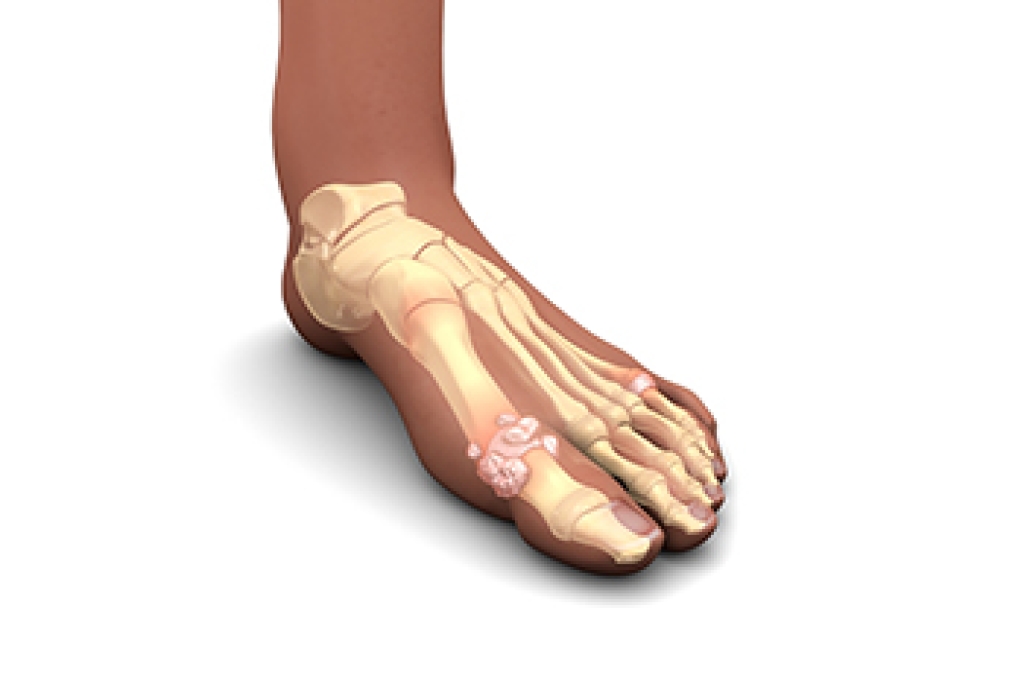
Gout is a form of inflammatory arthritis that often affects the feet, especially the big toe. It develops when uric acid builds up in the blood and forms sharp crystals inside a joint. These crystals trigger inflammation, causing sudden pain, and tenderness. An attack may begin overnight and make walking uncomfortable. Repeated attacks can eventually damage joints or cause tophi, which are firm uric acid deposits beneath the skin.

Several risk factors can increase the chance of developing gout. Family history may raise susceptibility, while obesity, kidney disease, and high blood pressure can also contribute. Certain medications may affect uric acid levels. Regular alcohol use and frequent consumption of purine-rich foods, including some meats and seafood, may increase risk. Dehydration can also contribute to flare-ups. Gout is not caused by one food alone. Genetics, health conditions, and lifestyle habits can all influence uric acid levels.


A podiatrist begins by reviewing your symptoms and medical history, then examining the affected foot. Testing or imaging may be recommended to support the diagnosis and rule out other causes of joint pain. During a gout attack, treatment may include medication to reduce inflammation and control pain. For recurring attacks, your podiatrist may discuss long-term uric acid management. Guidance about hydration, nutrition, and weight management can also help reduce future problems.


Gout can be painful, but recognizing symptoms early gives you an opportunity to seek care before attacks become more frequent. Sudden big-toe pain, swelling, or warmth should not be ignored, especially when symptoms return. A podiatrist can determine whether gout is responsible and create a treatment plan based on your needs. With appropriate care, many people can reduce flare-ups and protect their joints. If you have had one or more gout attacks, it is suggested that you are under the care of a podiatrist who can help you to manage this painful condition.

Gout is a painful condition that can be treated. If you are seeking treatment, contact Dr. John L. Coleman from Florida. Our doctor will treat your foot and ankle needs.

What Is Gout?

Gout is a form of arthritis that is characterized by sudden, severe attacks of pain, redness, and tenderness in the joints. The condition usually affects the joint at the base of the big toe. A gout attack can occur at any random time, such as the middle of the night while you are asleep.

Symptoms

  • Intense Joint Pain - Usually around the large joint of your big toe, and it most severe within the first four to twelve hours
  • Lingering Discomfort - Joint discomfort may last from a few days to a few weeks
  • Inflammation and Redness -Affected joints may become swollen, tender, warm and red
  • Limited Range of Motion - May experience a decrease in joint mobility

Risk Factors

  • Genetics - If family members have gout, you’re more likely to have it
  • Medications - Diuretic medications can raise uric acid levels
  • Gender/Age - Gout is more common in men until the age of 60. It is believed that estrogen protects women until that point
  • Diet - Eating red meat and shellfish increases your risk
  • Alcohol - Having more than two alcoholic drinks per day increases your risk
  • Obesity - Obese people are at a higher risk for gout

Prior to visiting your podiatrist to receive treatment for gout, there are a few things you should do beforehand. If you have gout you should write down your symptoms--including when they started and how often you experience them, important medical information you may have, and any questions you may have. Writing down these three things will help your podiatrist in assessing your specific situation so that he or she may provide the best route of treatment for you.

If you have any questions, please feel free to contact our office located in Macclenny, FL . We offer the newest diagnostic and treatment technologies for all your foot care needs.

Read more about Gout

Are Bunions Affecting Your Everyday Life?

Have you noticed a bony protrusion on the side of your big toe? If so, you may have developed the foot condition known as a bunion. Don't let bunions interfere with your daily activities.

Connect With Us